Girls in Portugal: A Perspective on Justice for Girls - Mini-Series #5
UPDATE:
Going forward: When you click on a link in my post, you may now return directly back to the same page you were on before clicking the link.
There are two simultaneously coordinated global events that occur every year.
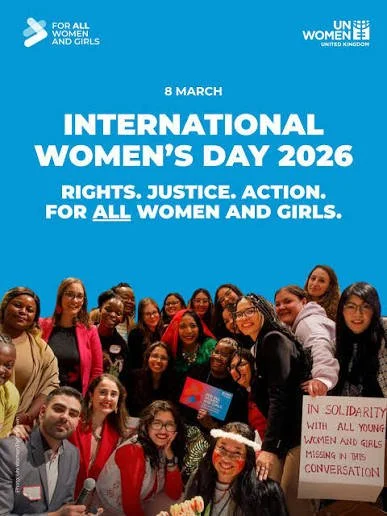
International Women’s Day (IWD) on March 8
-and-
The United Nation’s Commission on the Status of Women (CSW70),
which occurs in the two weeks immediately following IWD.
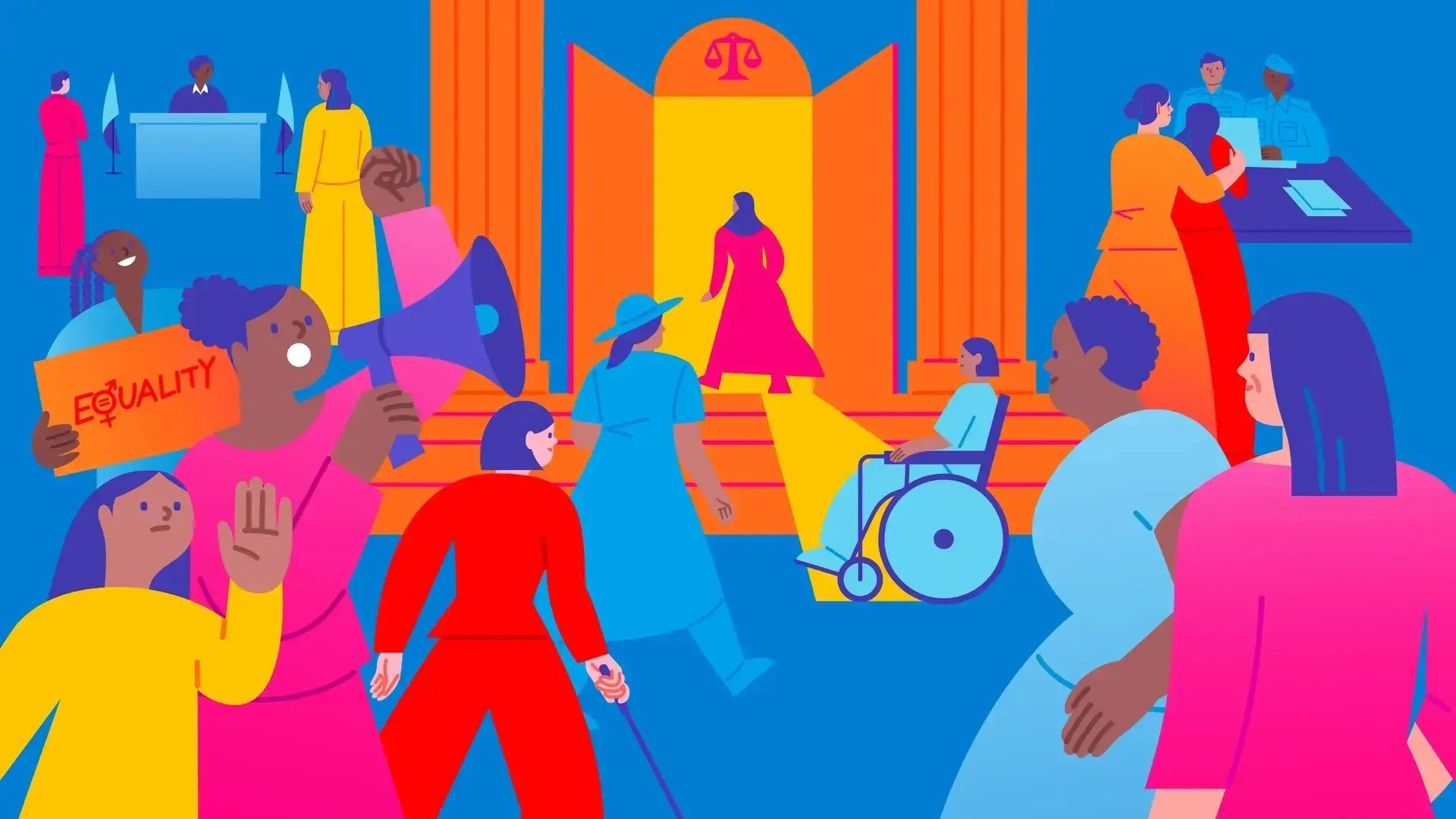
—Image by UN Women (2026 CSW70)
The UN’s Commission on the Status of Women’s two-week annual events are always coordinated to occur at the same time as the annual International Women’s Day (IWD),
and
IWD is always on March 8th.
So, this year CSW70 ran from March 9-19, 2026
Let’s take a brief look at International Women’s Day before we “listen” to the words of our next teen panelist who served on the CSW70 parallel event we have been covering: “Girls Voices: Without Us, No Justice.”
-A very brief summary-
International Women's Day, celebrated on 8 March, commemorates women's fight for equality and liberation along with the women's rights movement. It gives focus to issues such as gender equality, reproductive rights, and violence and abuse against women. [3][4]
Spurred by the universal female suffrage movement, International Women’s Day originated from labor movements in Europe and North America during the early 20th century. [5][6][7]
The first day celebrating women occurred in the United States in 1909, but women had been gathering in support of women’s rights since the mid-1800s when Elizabeth Cady Stanton and Lucretia Mott organized the first women’s rights convention in New York in 1848.
—National Museum of Women in the Arts. 1250 New York Ave., NW, Washington, DC
International Women's Day is an official holiday in many countries worldwide.
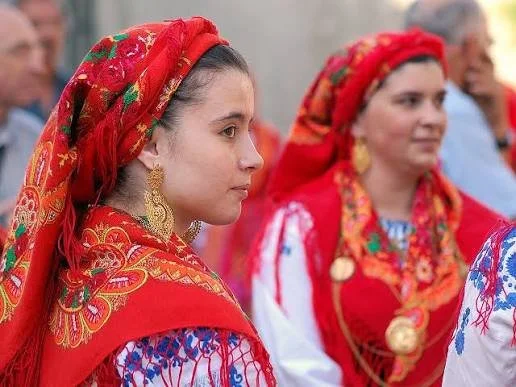
Since Portugal is the native country of Rita, the panelist for this post, here is a quick reference to how her country relates to IWD.
As in other countries, women in Portugal have had to come a long way.
In the 1930s, women could only work with their husband’s prior authorization.
In the 1960s, women achieved the right to vote. However, this scenario excluded all those who were illiterate, which at that time was the majority.
Following the global calendar, Portugal also takes the 8th of March to celebrate International Women’s Day and the importance of the rights and achievements of women.
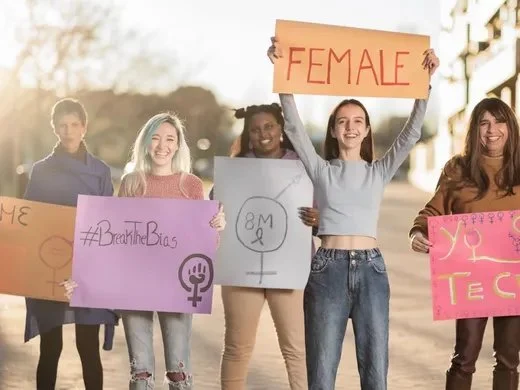
Photo Credit: envato elements; International Women’s Day Marches
The Portugal News
March 8, 2023
International Women’s Day is just what its title depicts: A global day to focus on, not only the rights of women and girls, but also on the abuses perpetrated upon them in countries and cultures around the world.
EXTENSION: A more detailed “herstory” of International Women’s Day is located at the end of this blogpost.
NOW, ON TO OUR MAIN FOCUS:
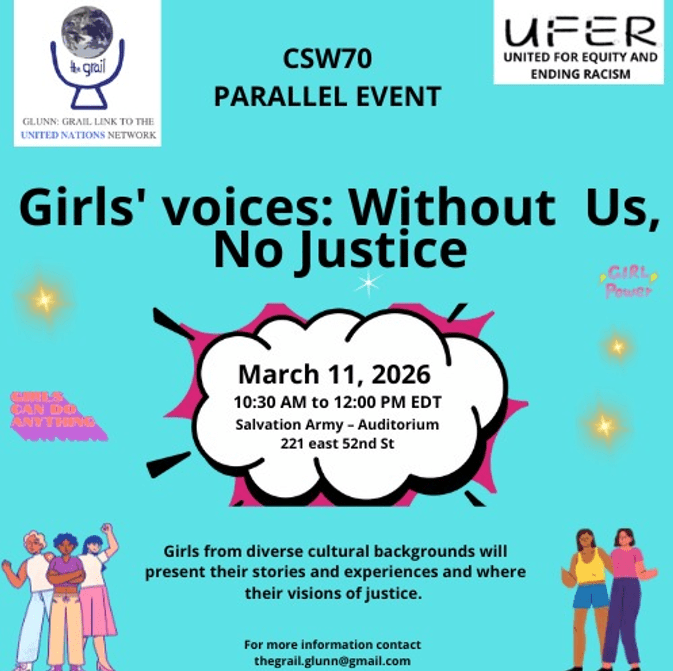
The parallel event of CSW70 that we have been covering was entitled: “Girls’ Voices: Without Us, No Justice.”
It was sponsored by two non-profit organizations:
The Grail (1) and United for Equity and Ending Racism (UFER) (2).
Our Panelist: Rita
Introduction by teen co-moderator Amelia
Next, we will listen to Rita’s story.
Rita is a 17-year old student from Portugal, originally from the town of Ponte de Sor. Growing up in a small Portuguese town has shaped her strong sense of community and identity. Rita has a younger sister, Joana, with whom she shares a close and meaningful bond. Family plays an important role in her life and has influenced many of her values and ambitions.
One of Rita’s greatest passions is politics and she is a member of the youth organization called “Global View,” which aims to educate and promote politics to young people in Portugal. From a young age, Rita developed a deep interest in social issues and public affairs.
She strongly believes in standing up for the causes that matter to her and is not afraid to express her opinions. Rita is particularly motivated by the desire to create positive change and to contribute to a fairer and more just society.
She will speak about how strong laws and support systems do not make up for the fact that girls still face social, economic, and institutional barriers.
Rita, the floor is yours!
Rita
Grail-UFER Girls Parallel Event Presentation
Thank you Amelia for that wonderful introduction!
I believe access to justice means having the power to truly exercise my rights as a citizen, not just seeing them as "words on a page." For girls, this is especially important.
In Portugal, the legal system is strong and there are many laws meant to protect us, but the reality for a 17-year-old girl can still include barriers that many people don’t notice.
For example, when we are alone on the street or waiting at a bus stop,it is common for men to catcall us. This is harassment.
Experiences like this stay in our minds and can make us feel scared or uncomfortable walking the same streets again, whether it’s going to school or going home.
Yet most of the time, no one asks these men to stop.
Another big challenge for girls like me is financial independence. Most of us rely on our parents, and if a girl faces abuse or violence at home, she may not have the money or freedom to hire a lawyer or even travel to get legal help. On top of that, many of them don’t know what support services exist or how to access them.
Another barrier, in my community, comes from the rise of right-wing conservative movements and political parties, which influence public debate and decisions in parliament.
This has made sexual and reproductive rights, consent, and sexual education less visible in schools. Without proper knowledge about our bodies and rights, it’s much harder for girls to recognize abuse, speak up, or ask for help when something is wrong.
Together, these challenges make it difficult for girls to feel safe, empowered, and supported. The legal system can feel scary and confusing. Forms and courts aren’t made for us, and people sometimes don’t believe what we say.
Having free, specialized support and only needing to tell our story once would make justice less overwhelming and more fair.
In Portugal, there are important support networks that help victims. For example, APAV provides free and confidential legal, psychological, and social support.
There is also CIG, a government body that promotes equality policies and works with local communities to provide assistance.
These systems help many girls and women, and I am grateful for them.
Still, there’s a lot more to do. Stronger laws and better protections could make justice easier to reach and life safer for all girls like me.
Thank you!
Given what Rita has said about the nuances in daily life for girls, what do you think should be a huge part of the following report?
First thematic evaluation report
PORTUGAL
MAY 27, 2025
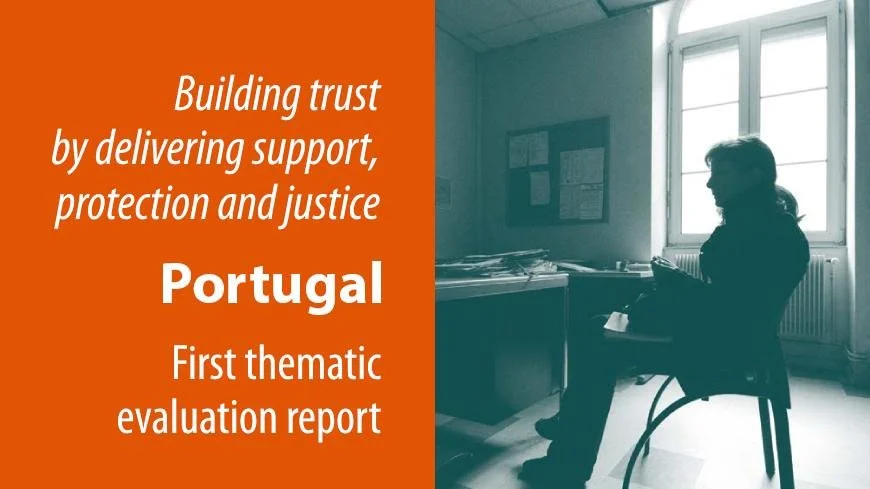
SHOULD YOU BE SO INCLINED, YOU MAY PERUSE THE REPORT YOURSELF HERE:
ONE OF RITA’S COMMENTS
RESONATED DEEPLY WITH ME:
“Yet most of the time, no one asks these men to stop.”
Rita was referring to catcalling on the street near bus stops or just when a girl is walking home or to school in her town in Portugal.
While catcalling may seem innocuous, a “boys will be boys” kind of thing that some women may even accept as positive sexual attention, it actually objectives women.
Catcalling involves unwelcome verbal or physical conduct of a sexual nature that creates a hostile, uncomfortable, or intimidating environment: conduct such as whistling, shouting, or crude comments. —Merriam-Webster, Inc.
“Yet most of the time, no one asks these men to stop!”
I believe Rita’s observation touches on one of the deeply rooted views that allow the harassment of women and girls to continue:
“No one asks….”
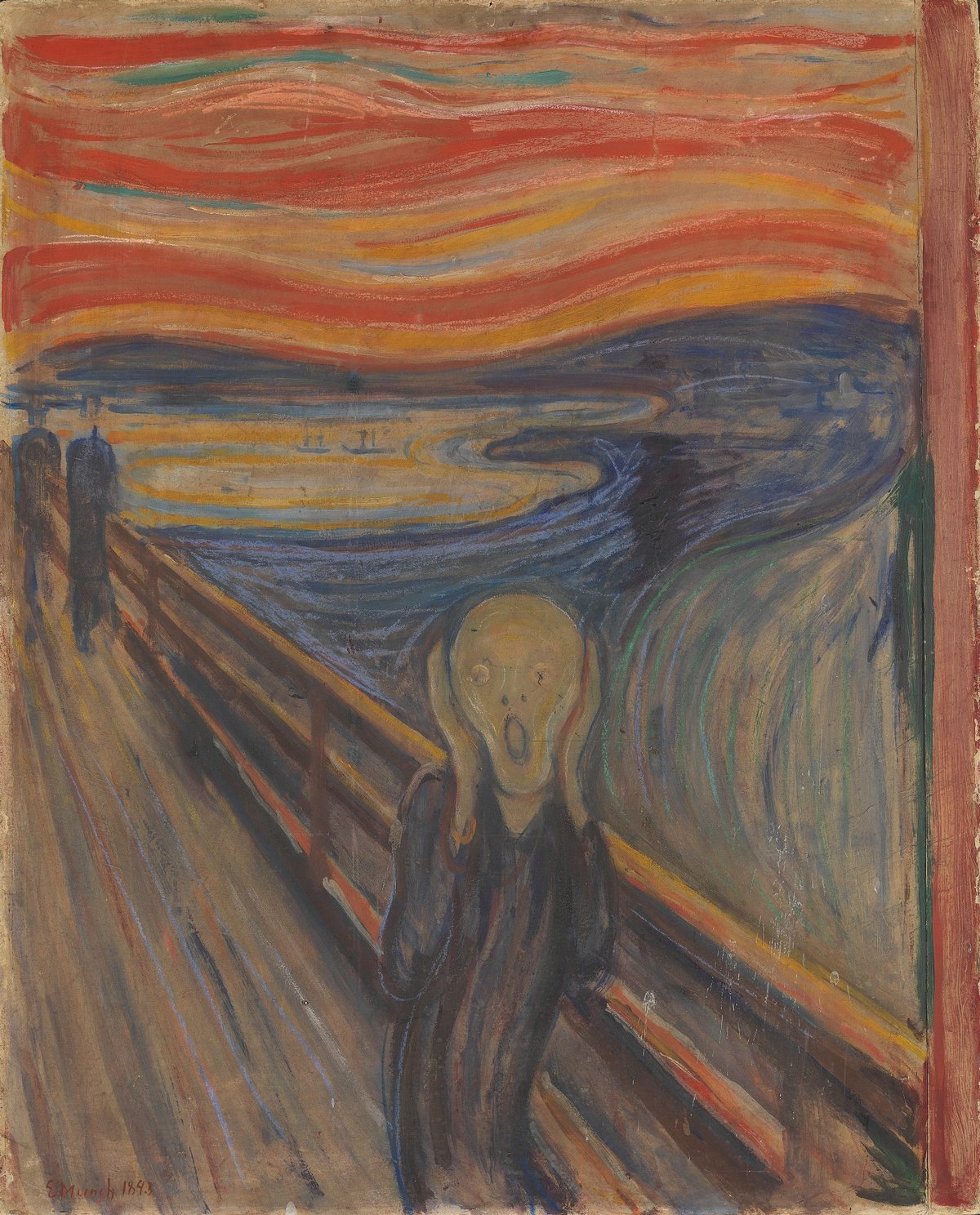
Edvard Munch, "The Scream", 1893.
Photo: Nasjonalmuseet / Børre Høstland
The National Museum in Oslo, Norway
Better yet,
shouldn't everyone be courageous enough to ask
that men never learn, in the first place, that it is okay to harass women or girls?
Notes:
The Grail is an international movement of women founded in 1921 in Holland by a Jesuit priest and five Catholic lay women. Its mission is focused on social transformation, spiritual search, environmental sustainability, women's empowerment, and global solidarity.
The International Grail has been a registered non-governmental organization (NGO) at the United Nations since 1953, with Special Consultative status through ECOSOC since 1998. It works on issues such as the Commission on the Status of Women (CSW), anti-racism, and sustainable development.
Headquartered at Granville in Loveland, Ohio, the Grail operates in roughly 22 countries, with a significant presence in the USA.
Grail in the USA: https://www.grail-us.org/
International Grail Movement: https://grailmovement.net/
2. United for Equity and Ending Racism (UFER) has worked to eliminate all forms of racism, xenophobia, discrimination and related intolerance since its founding in 1952.
Through representation as a non-governmental organization (NGO) at the United Nations in New York and Geneva, UFER collaborates with other international actors to promote policies for racial equity at the global level, while condemning the transatlantic slave trade and colonial genocide of indigenous peoples as flagrant crimes against humanity.
UFER’s mission is to build a peaceful world free of all forms of racism, casteism, inequity and injustice where all members of one human race enjoy full health, dignity and well-being in a context of freedom, equality and justice protected by universal human rights principles.
UFER International: https://ufer.international/
REFERENCES:
FROM WIKIPEDIA: INTERNATIONAL WOMENS DAY
3. "About International Women's Day". International Women's Day. Archived from the original on 3 June 2016. Retrieved 8 March 2021.
4. "International Women's Day". United Nations. Archived from the original on 7 March 2021. Retrieved 8 March 2021.
5. "History of International Women's Day". International Women's Day. Archived from the original on 7 March 2021. Retrieved 8 March 2021.
6. United Nations. "Background | International Women's Day". United Nations. Archived from the original on 8 March 2020. Retrieved 8 March 2021.
7. "Stories of women's activism". nzhistory.govt.nz. Archived from the original on 18 February 2022. Retrieved 18 February 2022.
8."International Socialist Congress, 1910; Second International Conference of Socialist Women". p. 21. Retrieved 7 March 2020.
IN YOUR OWN WORDS:
Previous Post: “Girls in Mozambique: A Look at Justice- Mini-Series #4”, Written by Anne Andersson May 1, 2026
—”As always, your blog contains well documented interesting information. God bless your efforts to get justice for girls and women.” —LB
—Thank you. When I read this, I did see patterns over nations and time. I wondered what kinds of roles did American women play. Were we role models for changes in behavior and legislation? How big a part has social media played? How much access to the social media do others have, who may need to see what can and should be done? Is time going to be on their side? As has so many times before, education plays a powerful role. —RE
Do Remember the Epstein survivors.
Recall the actual ages of
the present-day survivors of the Epstein sex-trafficking ring
when they suffered the abuses.
They were teens—or young adults—many similar in age
to
the girls whose perspectives on justice have been presented in this Mini-Series!
“No one asked…”
Those Epstein survivors were not believed, nor heard,
although they may have indeed told their stories—and sometimes told them repeatedly.
The presiding concern tended—and still tends—to be about protecting the perpetrators.
It almost always is,
especially if the perps are powerful and wealthy!
Please do remain focused on these crimes of power, even more so on the coverup!
Pray for justice!
C:WED Wish List:
We really do want to hear from you: your thoughts; your perspectives; your vision; your creativity.
We are a community—and your words can help us all.
And, if you do find that you can offer us some assistance, we would so appreciate it.
If you can help, please click on this safe button below:
Here is my promised extended herstory of:
International Women's Day
March 8
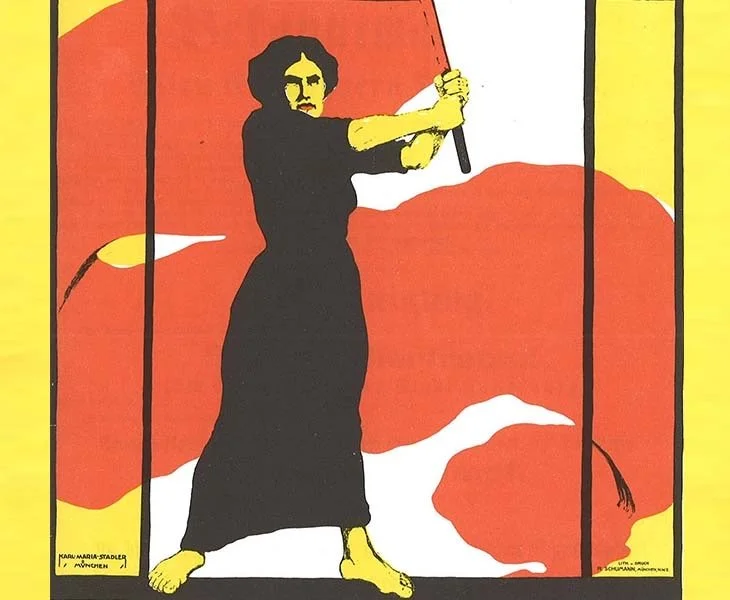
Karl Maria Stadler (1888 – the nach 1943), Public domain, via Wikimedia Commons
International Women's Day (March 8) is a global day celebrating the social, economic, cultural, and political achievements of women. The day also marks a call to action for accelerating gender equality. International Women's Day (IWD) has been observed since the early 1900s.
1908
Great unrest and critical debate was occurring among women. Women's oppression and inequality were spurring women to become more vocal and active in campaigning for change. Then in 1908, 15,000 women marched through New York City demanding shorter hours, better pay and voting rights.
1909
In accordance with a declaration by the Socialist Party of America, the first National Woman's Day (NWD) was observed across the United States on February 28. Women continued to celebrate NWD on the last Sunday of February until 1913.
1910
In 1910 a second International Conference of Working Women was held in Copenhagen. A woman named Clara Zetkin (leader of the “Women's Office” for the Social Democratic Party in Germany) [promoted] the idea of an International Women's Day. She proposed that every year in every country there should be a celebration on the same day. It was to be “a Women's Day” to press for their demands.
The conference of over 100 women from 17 countries, representing unions, socialist parties, working women's clubs and including the first three women elected to the Finnish parliament greeted Zetkin's suggestion with unanimous approval and thus International Women's Day was the result.
1911
Following the decision agreed at Copenhagen in Denmark in 1910, International Women's Day was honored for the first time in Austria, Denmark, Germany and Switzerland on March 19th.
More than one million women and men attended IWD rallies campaigning for women's rights to work, vote, be trained, to hold public office and end discrimination.
However less than a week later on March 25th, the tragic “Triangle Fire” in New York City took the lives of more than 140 working women, most of them Italian and Jewish immigrants. This disastrous event drew significant attention to working conditions and labor legislation in the United States that became a focus of subsequent [IWD] events.
1913-1914
On the eve of World War I, campaigning for peace, Russian women observed their first International Women's Day on February 23, the last Sunday in February.
Following discussions, International Women's Day was agreed to be marked annually on March 8 that translated in the widely adopted Gregorian calendar from February 23rd. This day has remained the global date for International Women's Day ever since.
In 1914, women across Europe held rallies to campaign against the war and to express women's solidarity.
1917
On the last Sunday of February, Russian women began a strike for "Bread and Peace" in response to the death of over 2 million Russian soldiers in World War I.
Opposed by political leaders, the women continued to strike until four days later the Czar was forced to abdicate and the provisional Government granted women the right to vote.
The date the women's strike commenced was Sunday February 23 on the Julian calendar, which was then in use in Russia. This day on the Gregorian calendar in use elsewhere was March 8.
1975
International Women's Day was marked for a first time by the United Nations in 1975.
Then in December 1977, the General Assembly adopted a resolution proclaiming a United Nations Day for Women’s Rights and International Peace to be observed on any day of the year by Member States, in accordance with their historical and national traditions.
2011
The 100 year centenary of International Women's Day marks the first IWD that was honored in 1911 in Austria, Denmark, Germany and Switzerland.
2025 and beyond
The world has witnessed a significant change and attitudinal shift in both women's and society's thoughts about women's equality and emancipation.
Many from a younger generation may feel that all the battles have been won for women, while many feminists from the 1970's and beyond know only too well the longevity and ingrained complexity of patriarchy.