
Sunset, Sunrise! How swiftly flew the night!
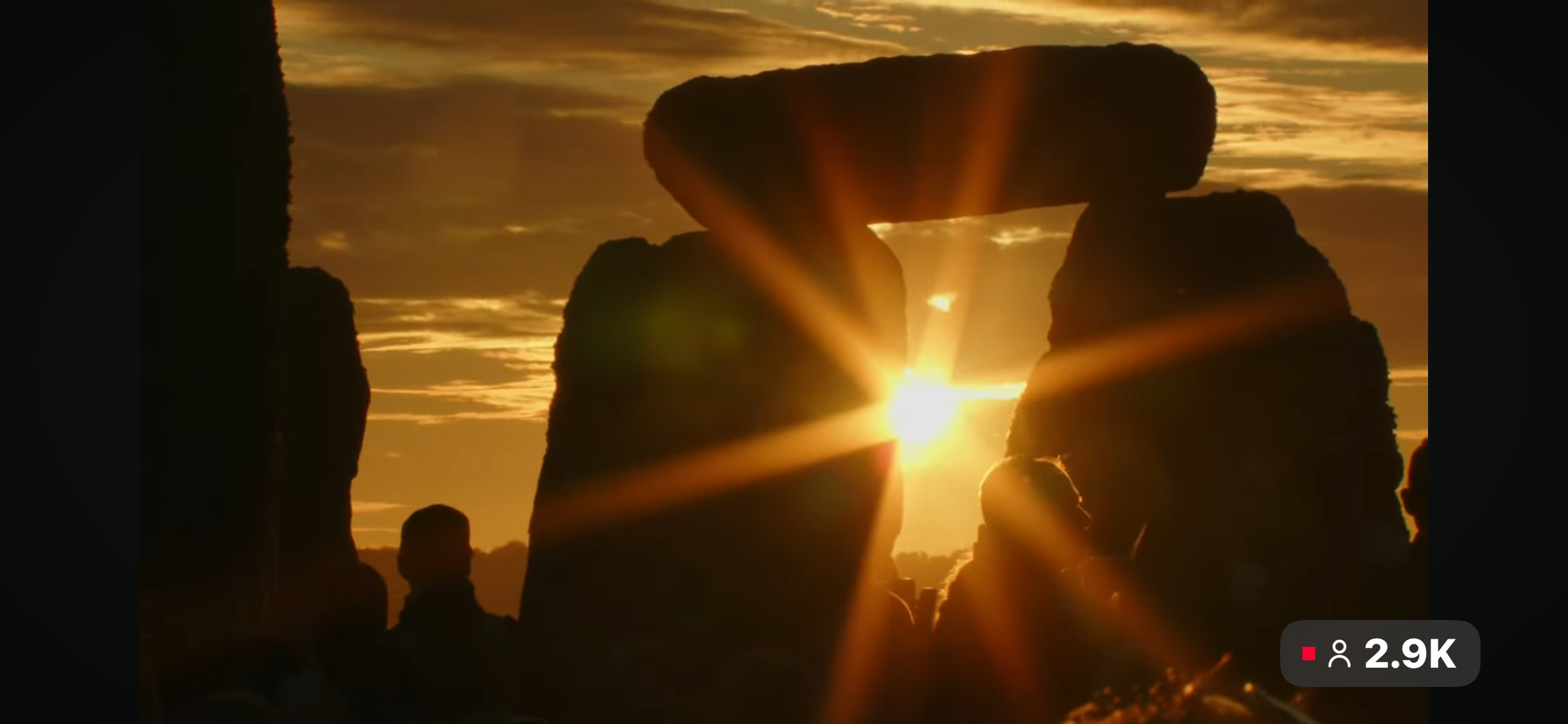
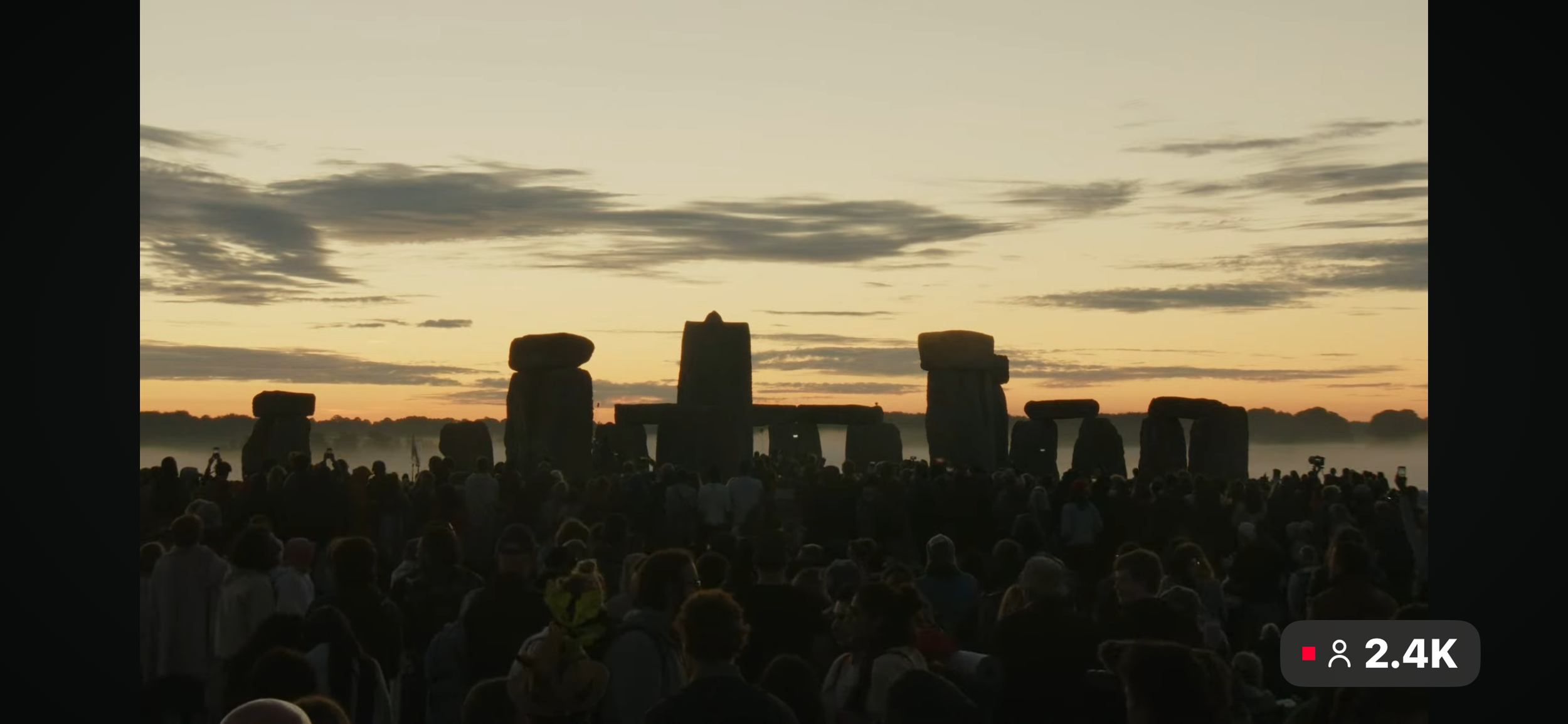
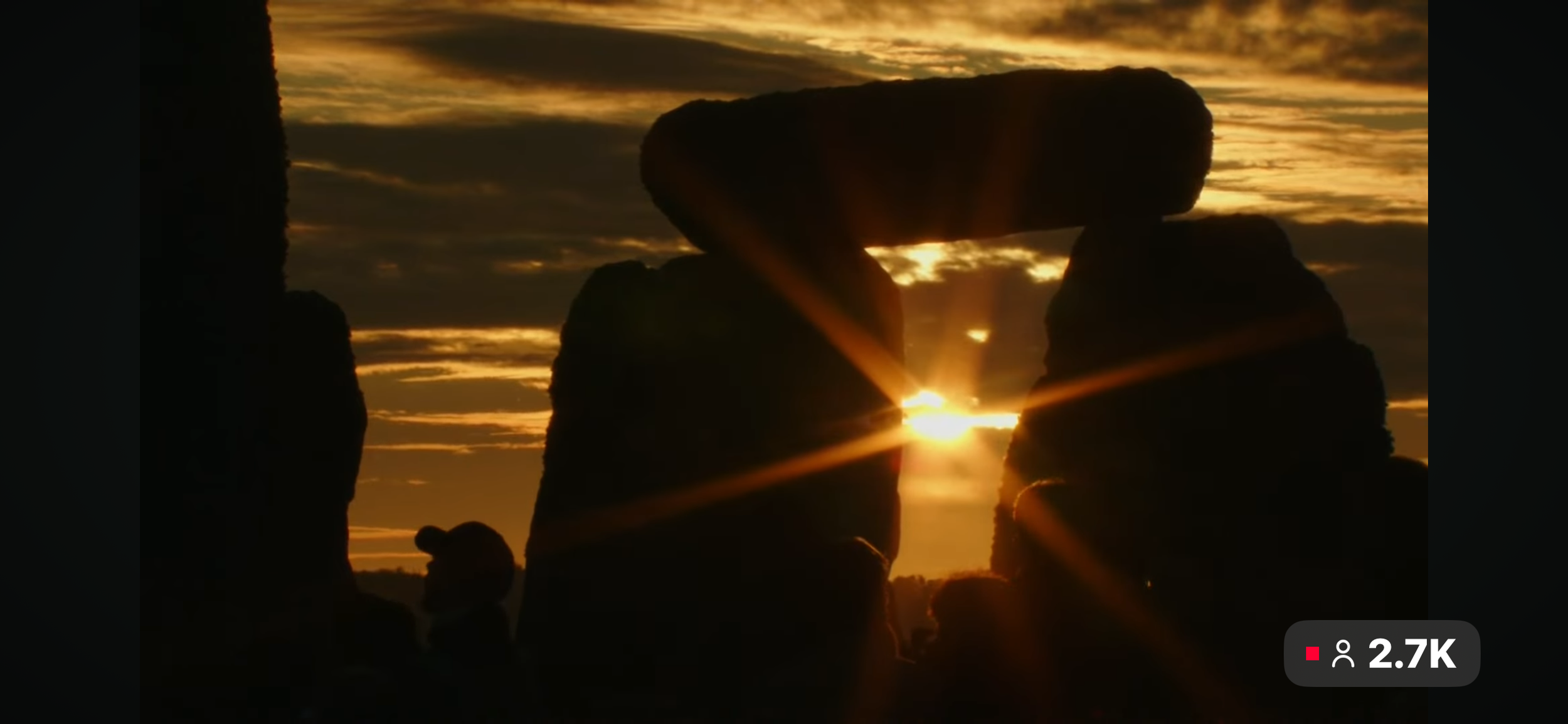
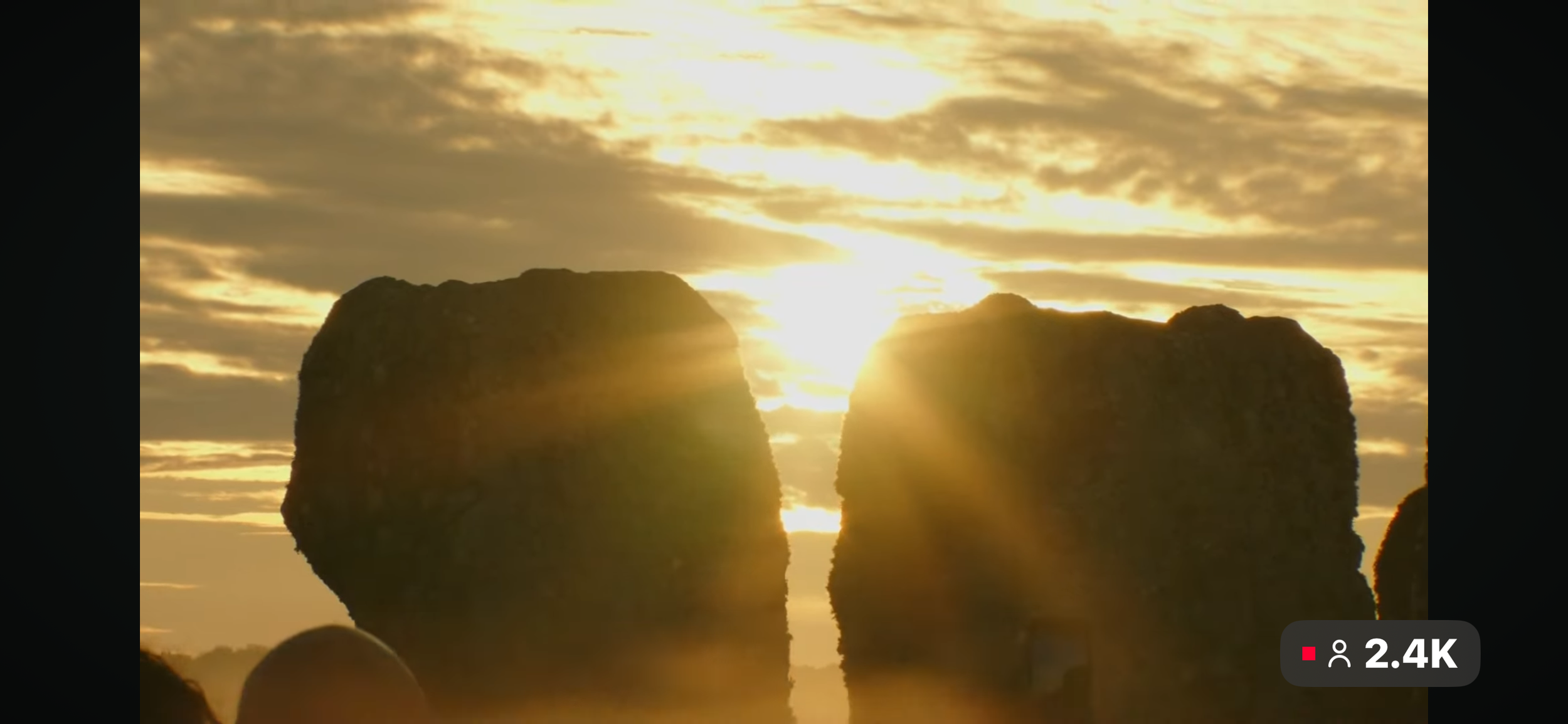
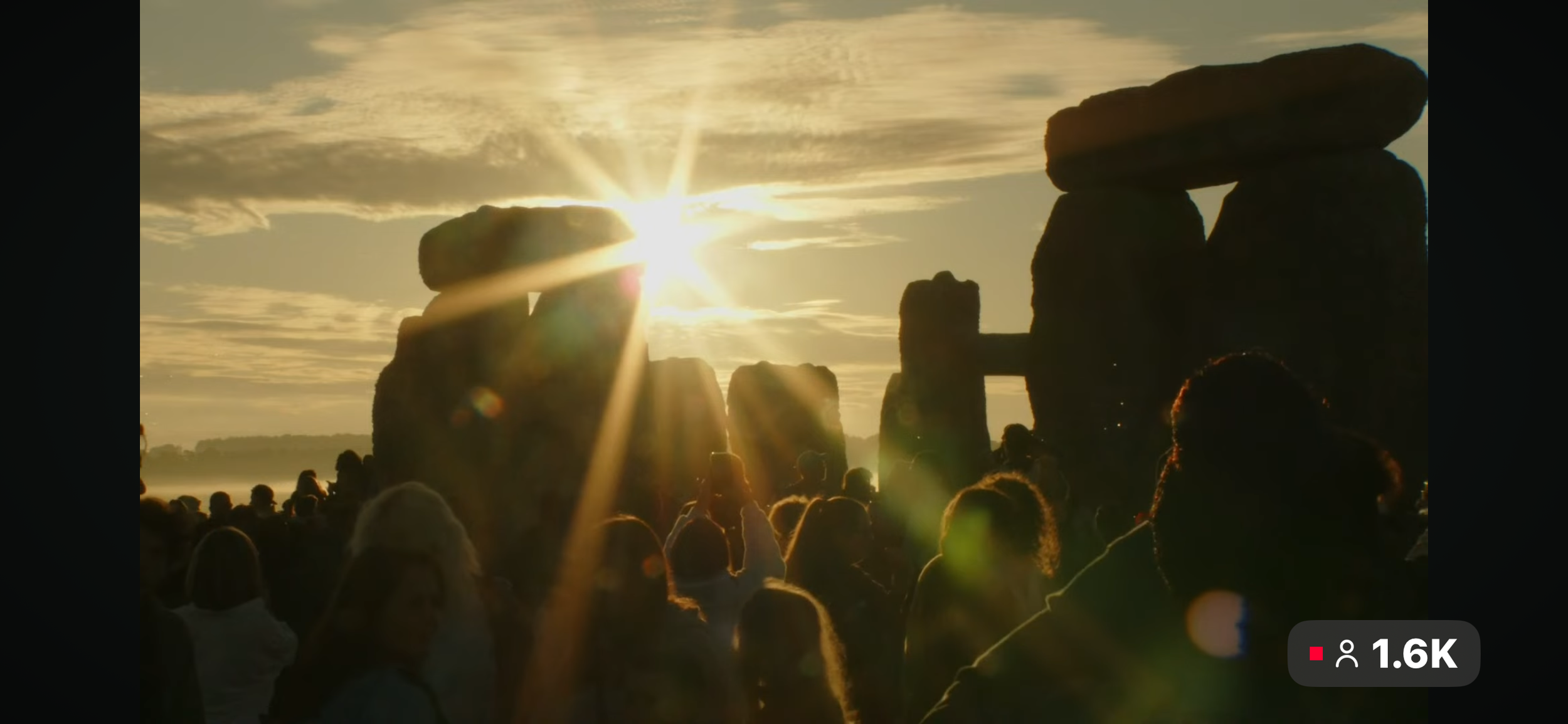
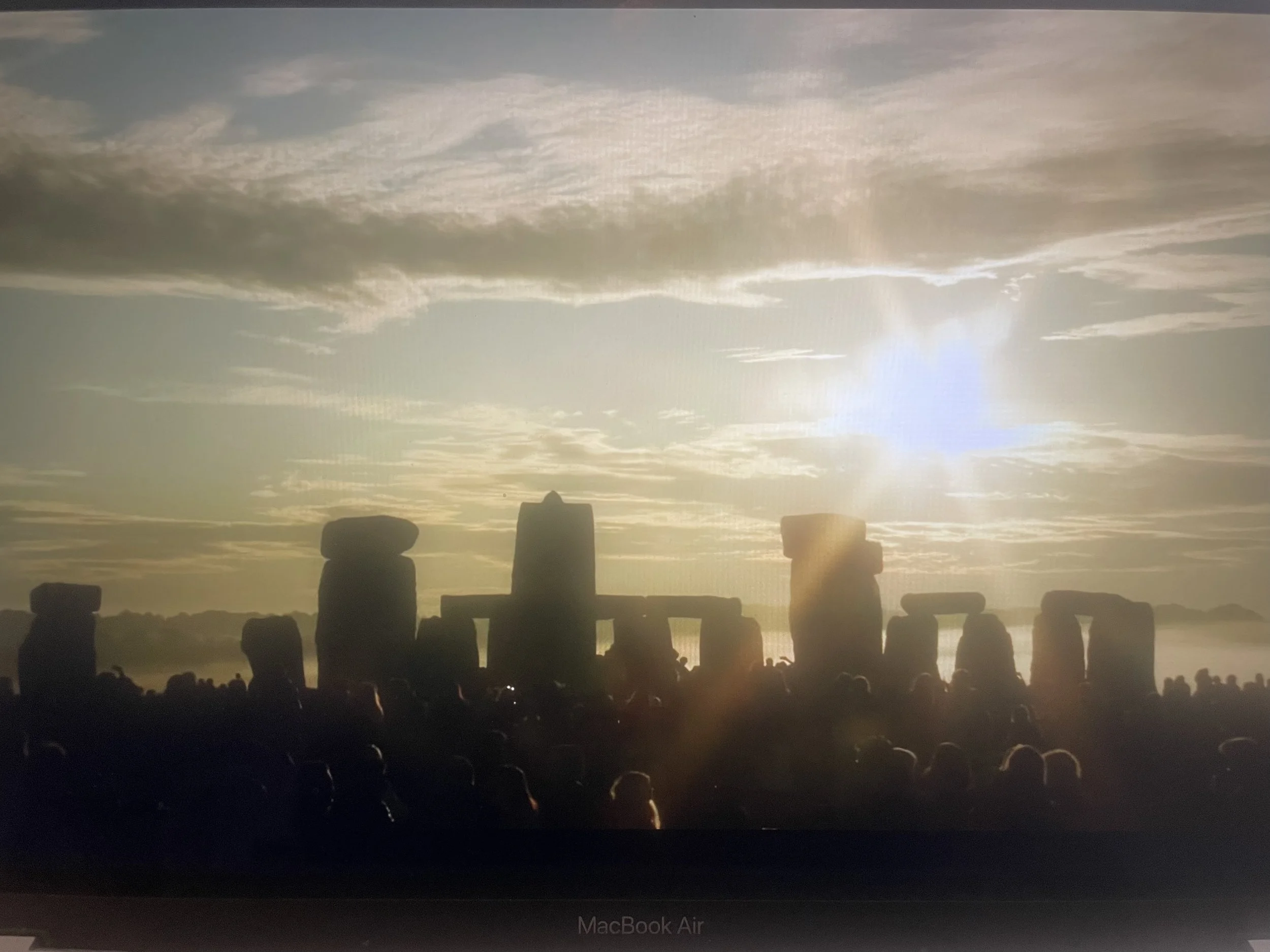
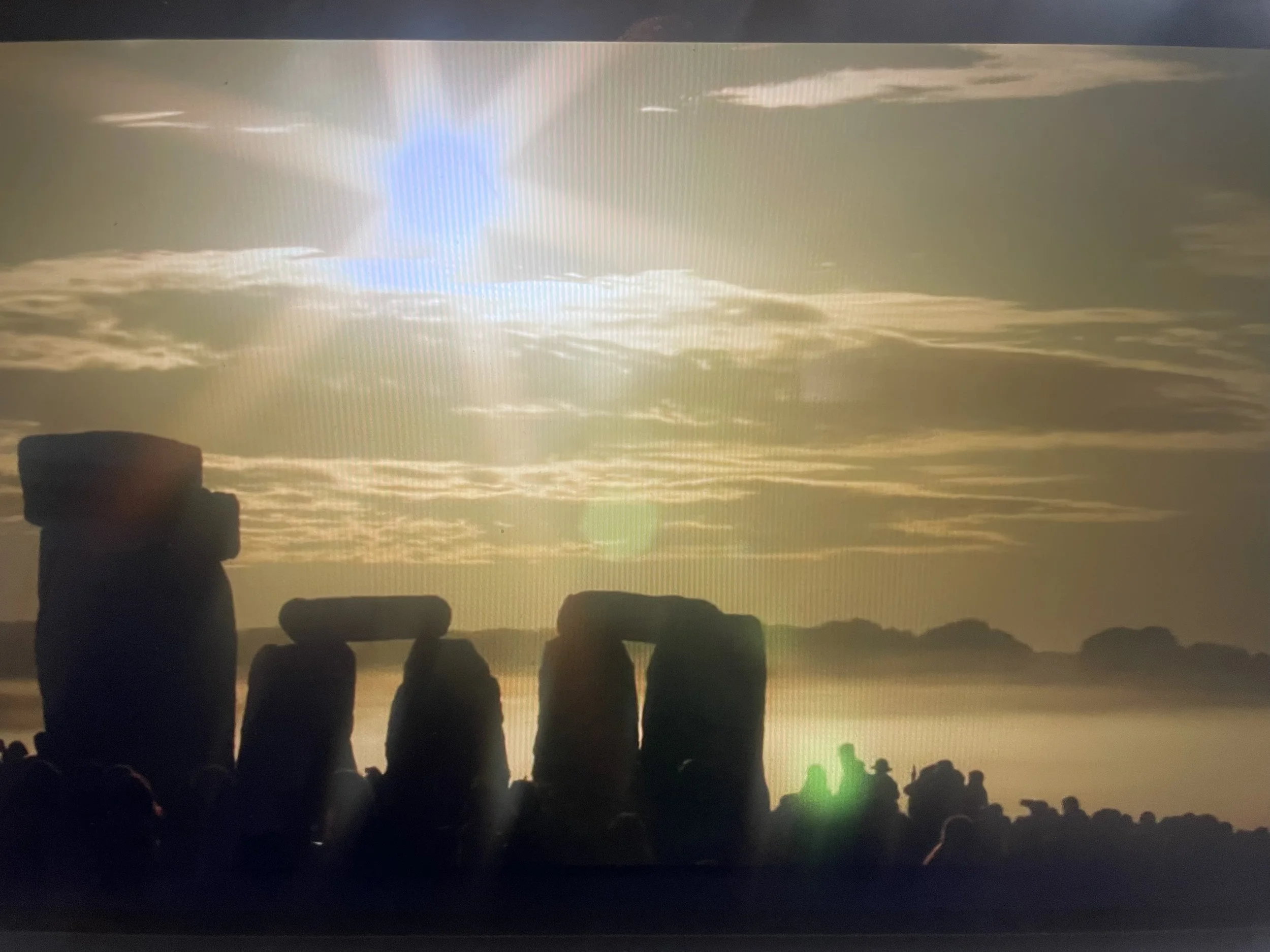
SUMMER SOLSTICE - SUNRISE AT STONEHENGE - Photo by Anne Andersson from livestream in real time June 21, 2026
Of course, the Summer Solstice, the 24-hour day of the year in the Northern Hemisphere with the greatest number of daylight hours (aka the longest day), is also the shortest night of the year!
But with just slightly over seven hours from sunset to sunrise—from Saturday night to Sunday morning—it seemed such a strangely short time!
I attended two virtual livestream events
on
Saturday, June 20
and
Sunday morning, June 21.
An experience of
Summer Solstice 2026
at
Stonehenge, England
Livestreamed free in real time by English Heritage!
It was quite an experience!
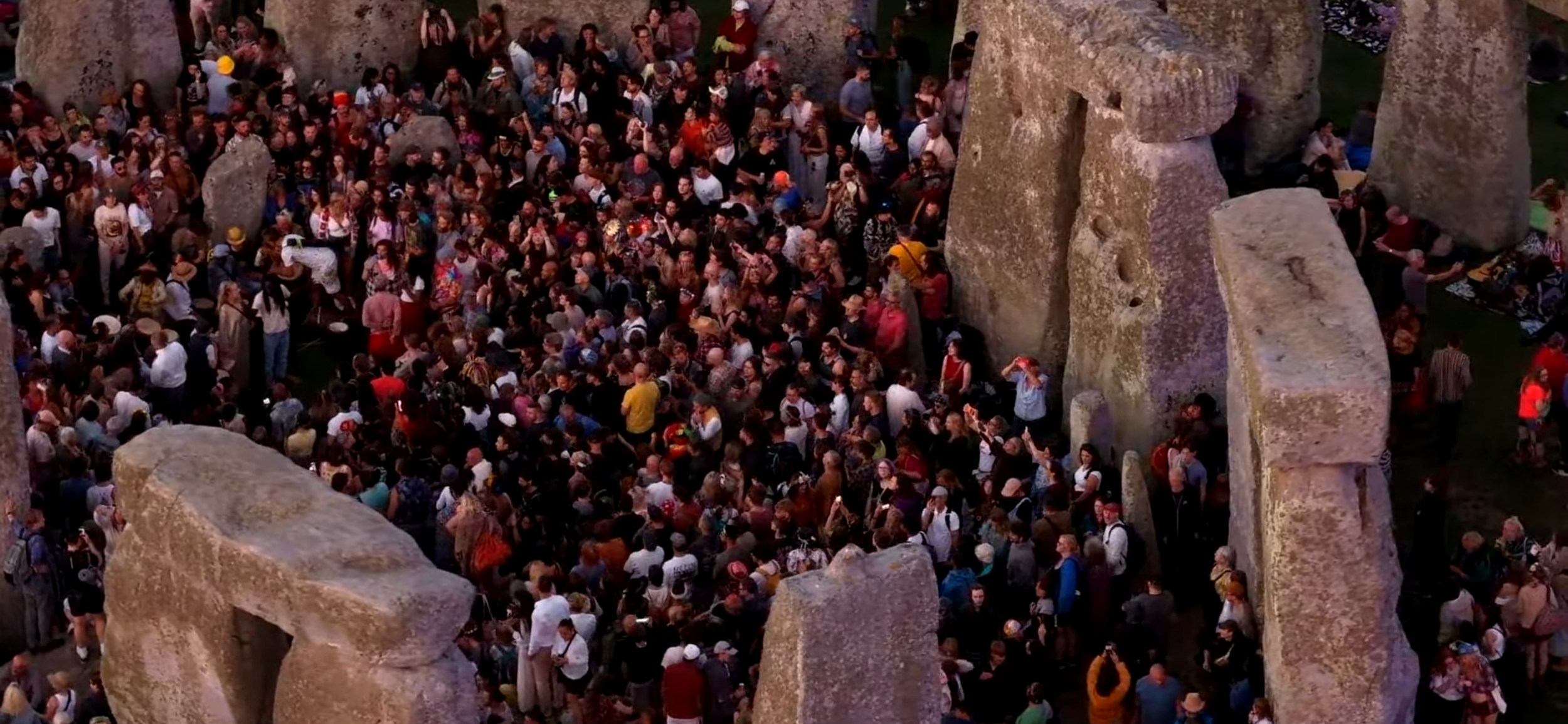
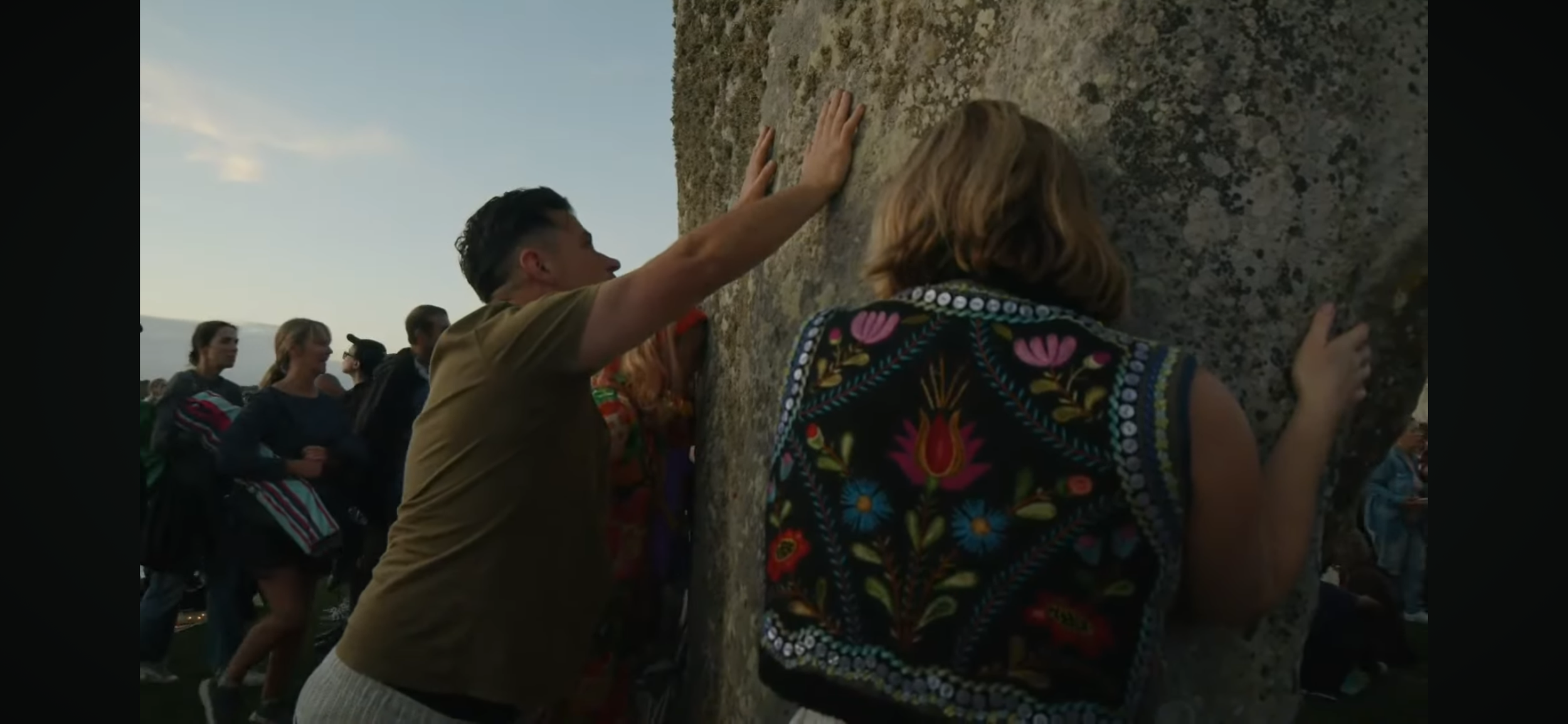
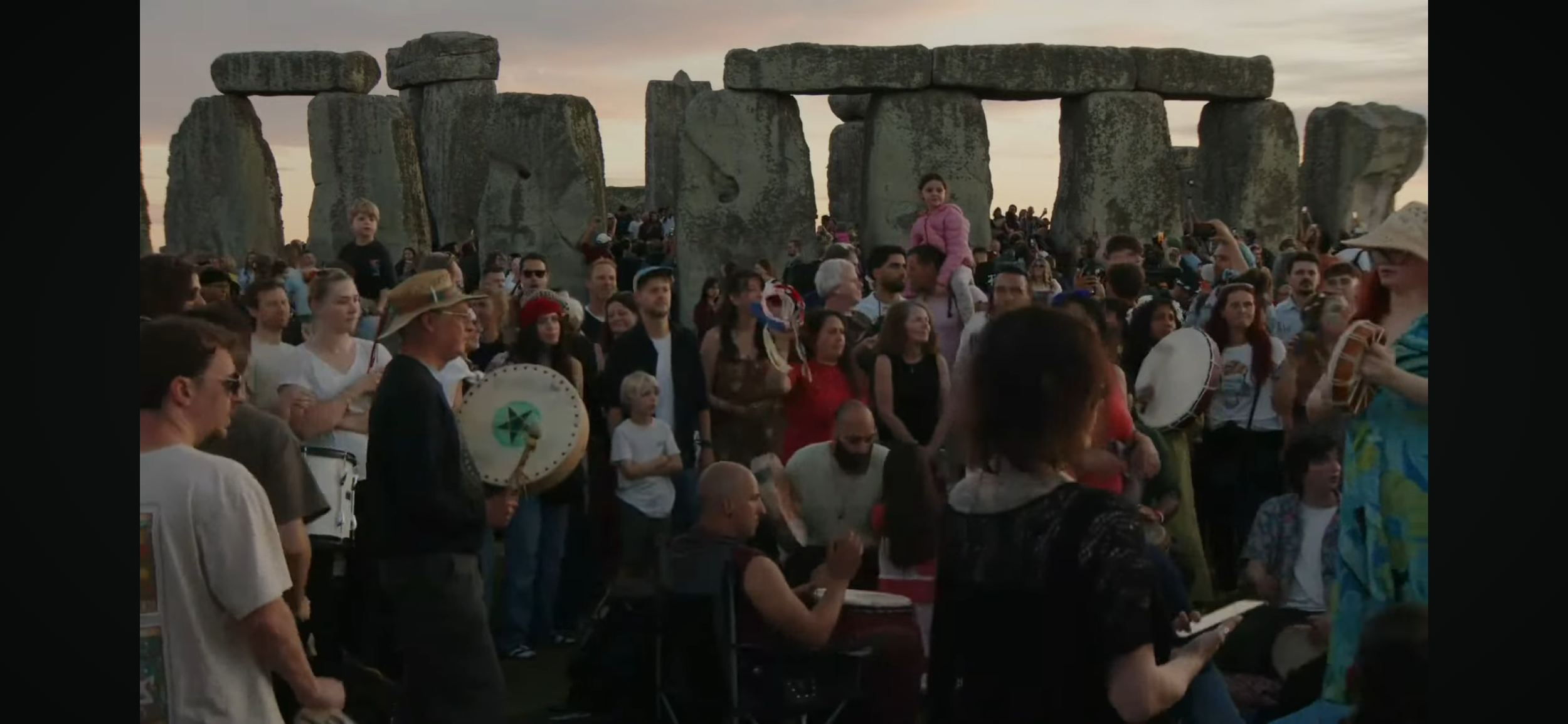
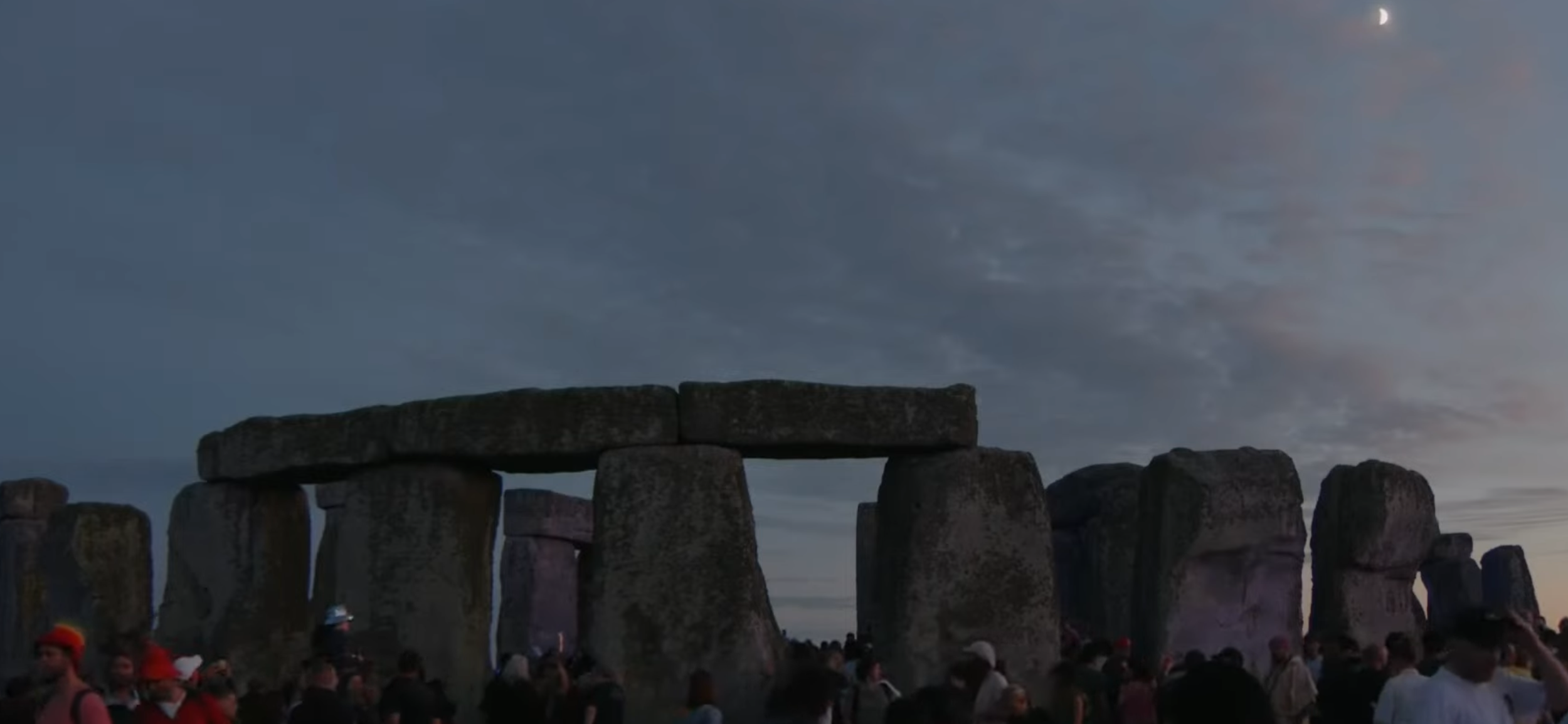
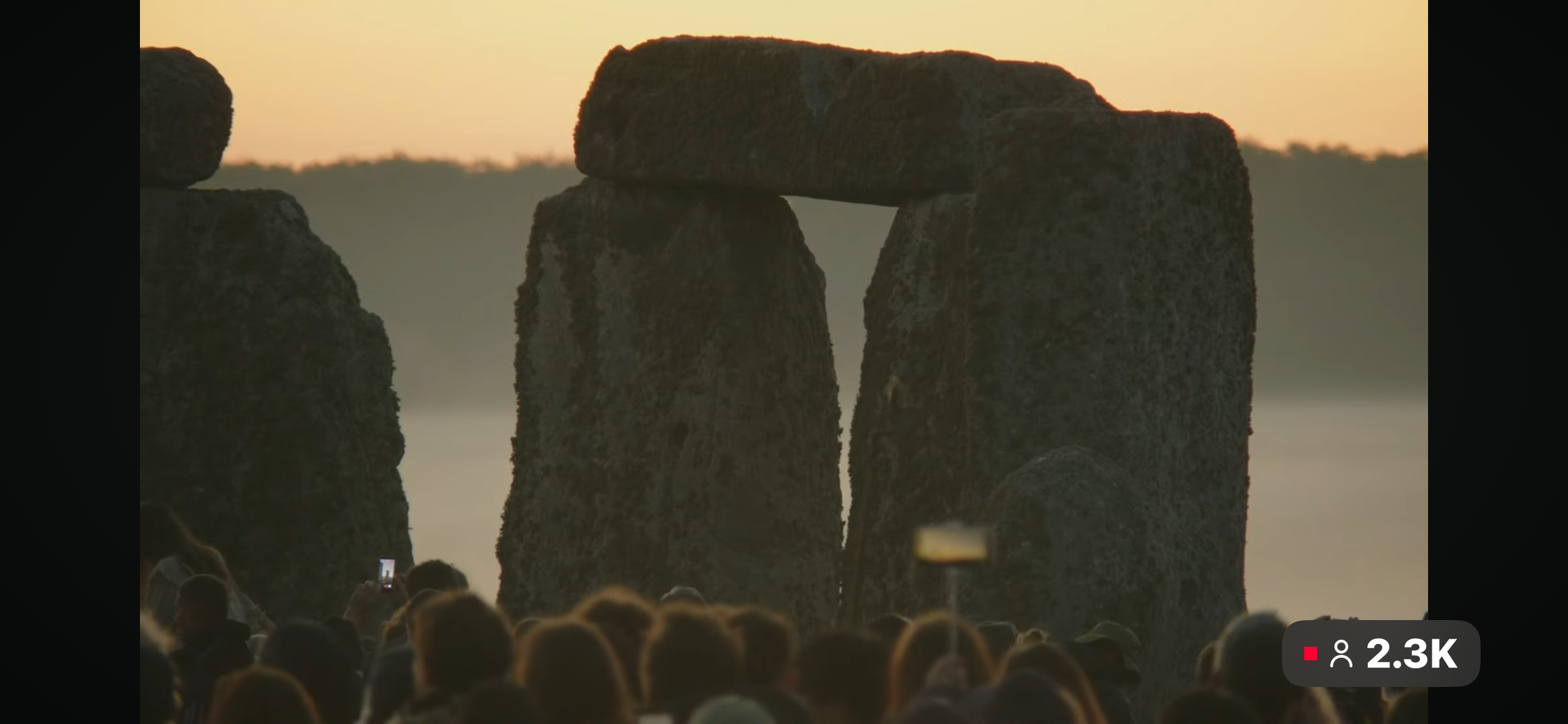
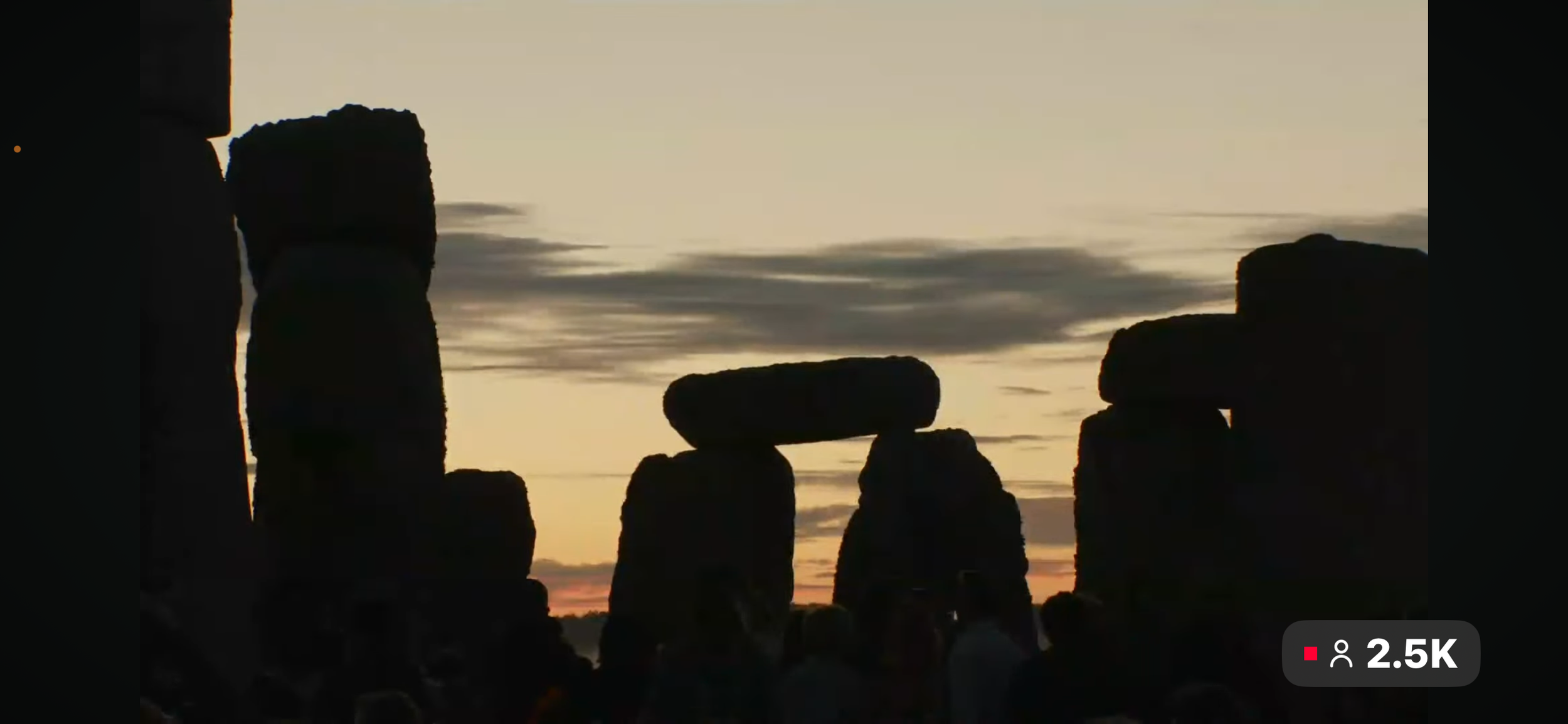
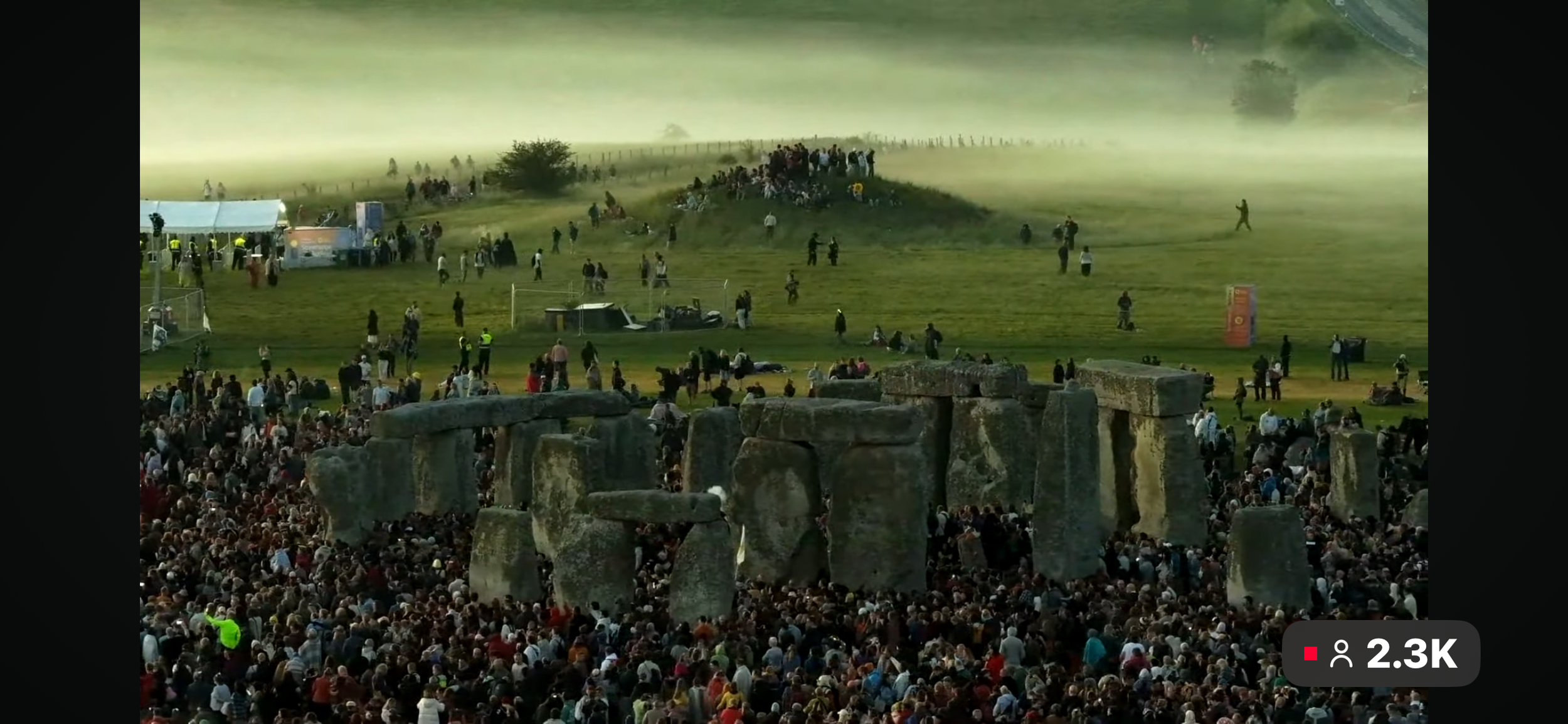
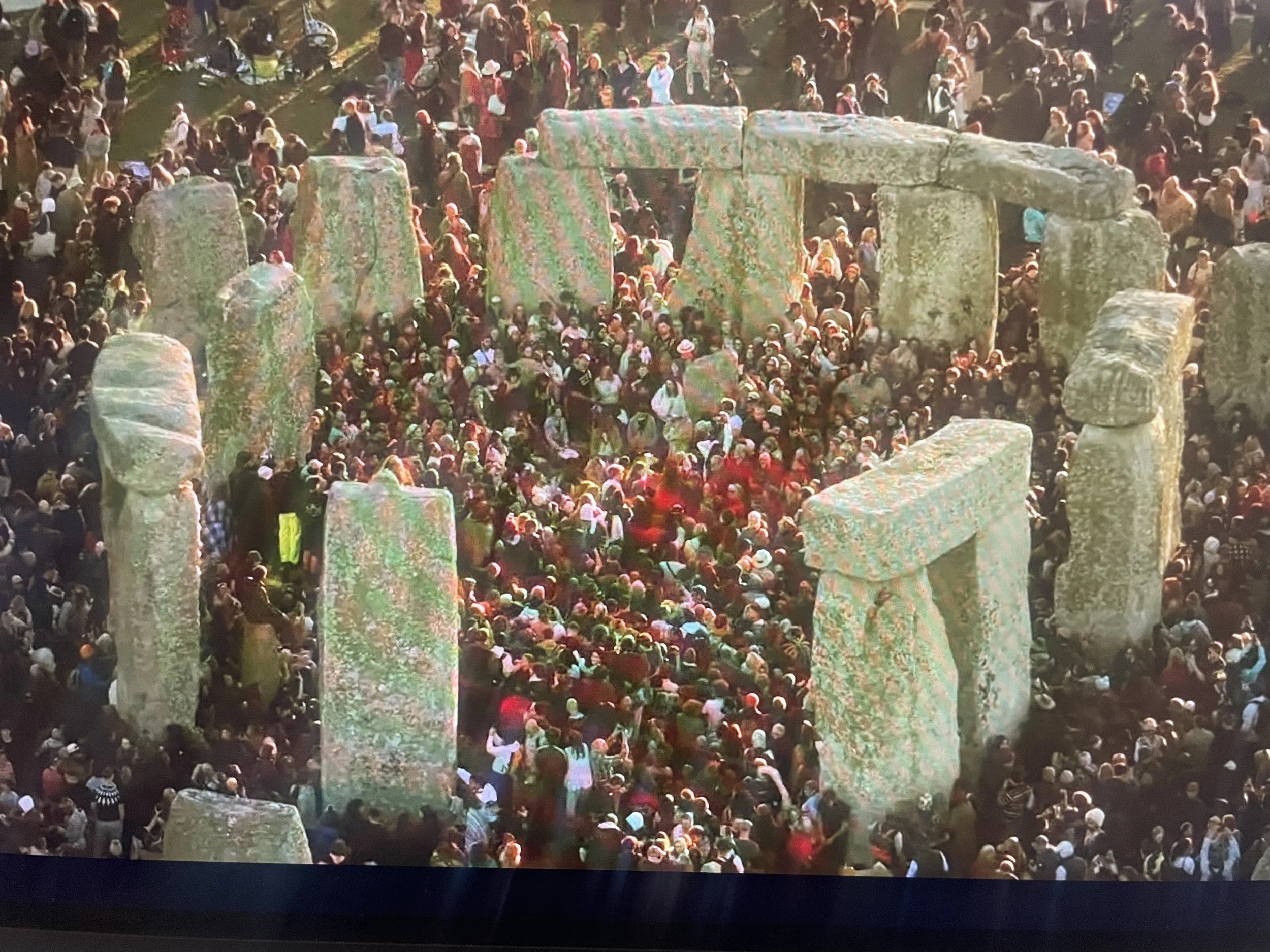
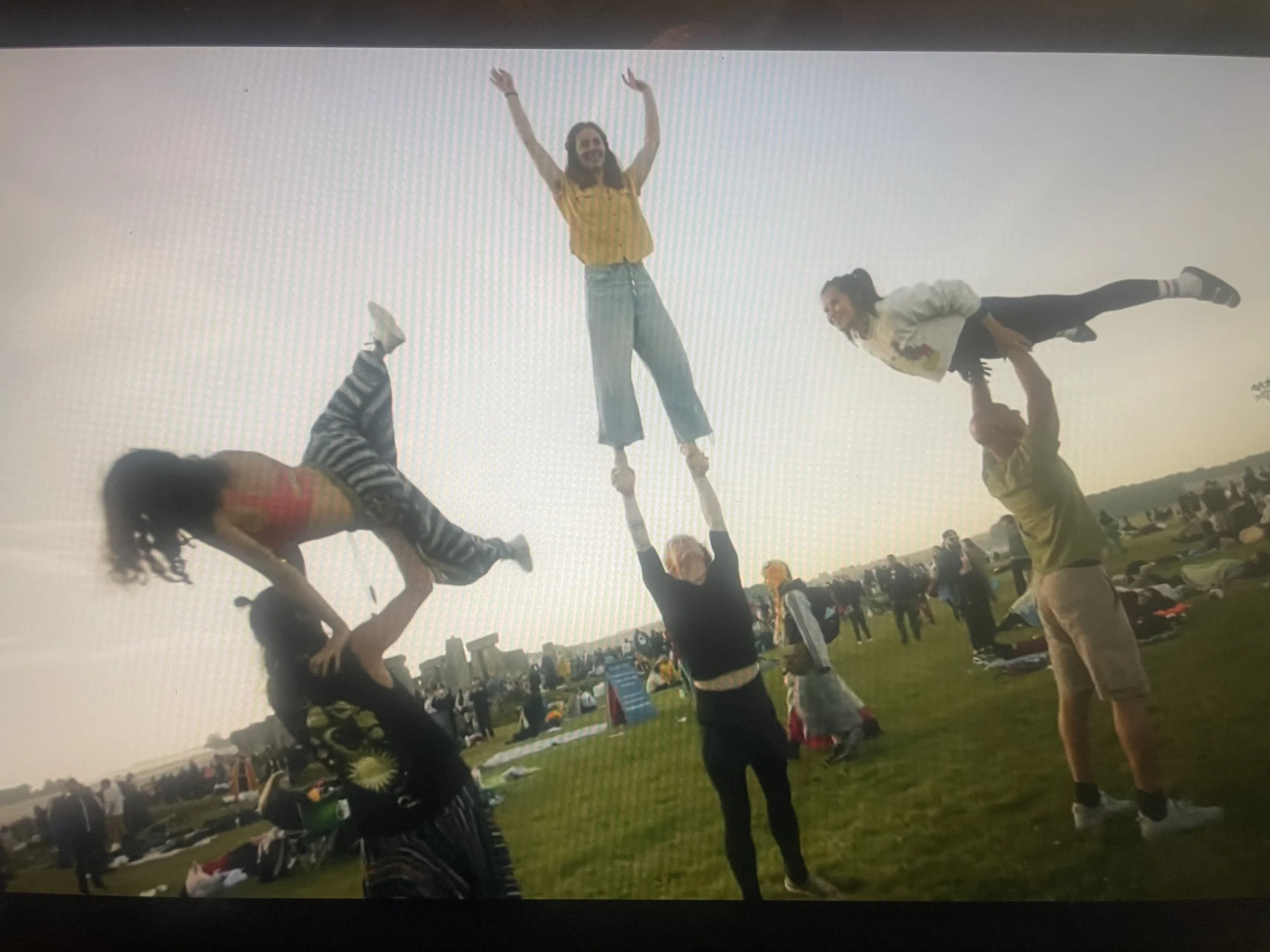
For an experience of your own, I offer you some screenshots that I took during my visit.
This virtual access was granted free of charge, courtesy of English Heritage. I am so grateful to EH for inviting us in for the night of the sunset and the morning of the sunrise.
Most of all I am grateful that their streaming service worked with the link I provided in my post on the Solstice last week.
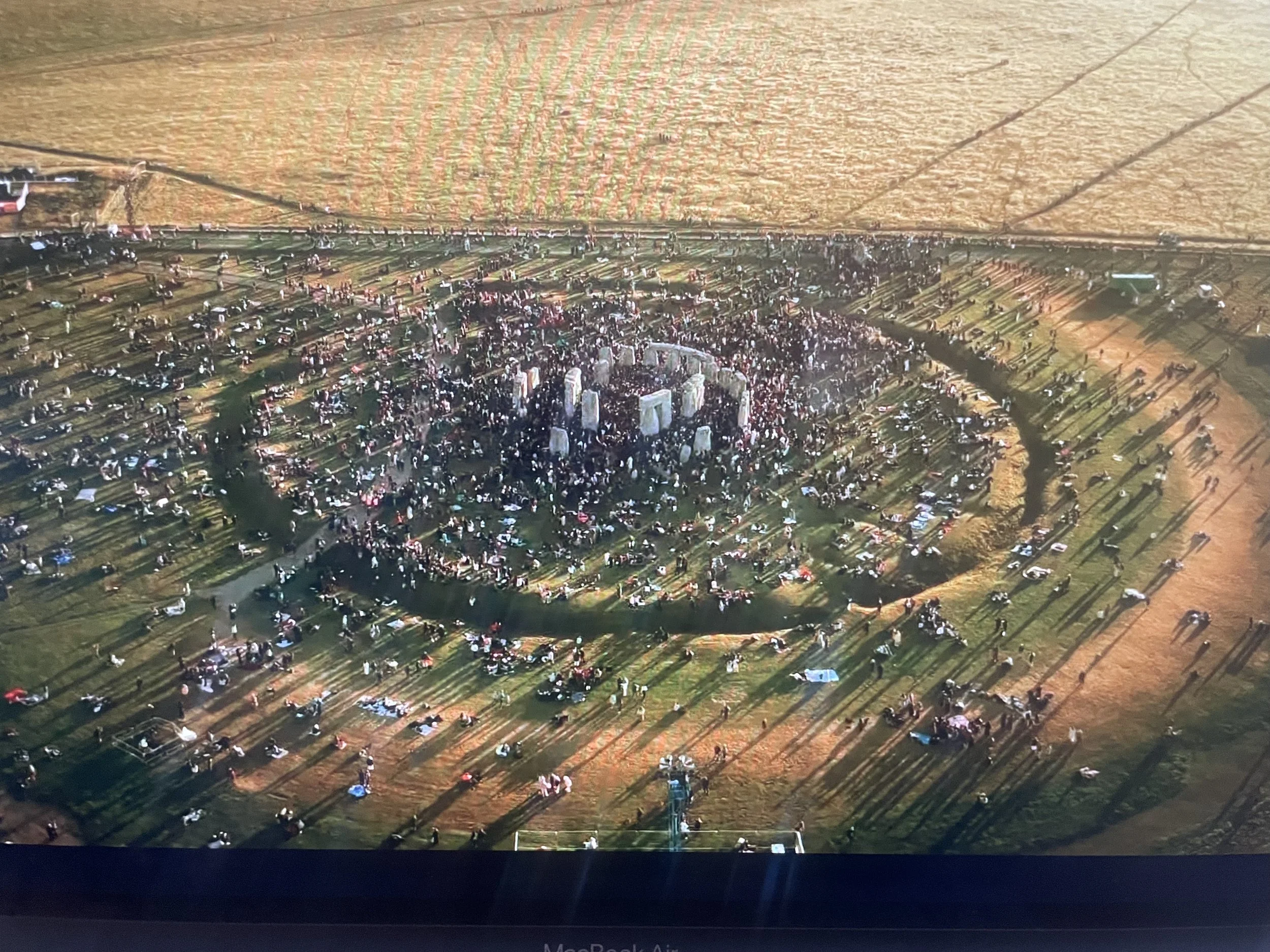
It was very exciting and breathtakingly beautiful—and also fun to watch the people.
Some were there with their phones and cameras to experience the amazing geometric precision in the positioning of the stones.
Some people were there purely for the spiritual experience.
FROM ENGLISH HERITAGE:
UNDERSTANDING STONEHENGE
Spirituality was at the heart of Stonehenge from the start.
Neolithic and Bronze Age people put an enormous effort into building this extraordinary structure, despite the fact that it serves no known practical function.
Many theories have been put forward over the years about the purpose of Stonehenge.
But what does the evidence suggest that it may have been used for?
ALIGNING WITH THE SUN
The sarsen stones, put in at the centre of the site in about 2500 BC, were carefully placed to line up with the movements of the sun.
If you were to stand in the middle of the stone circle on Midsummer’s Day, you would see the sun rise just to the left of the Heel Stone, an outlying stone north-east of the circle.
Archaeologists have found a large stone hole to the left of the Heel Stone which may have held a partner stone: if so, the two stones would have framed the sunrise.
_______________________________
At various points, English Heritage added some background information, for example, they reported:
The people who built Stonehenge were farmers, so knowing the activity of the sun was very important for their livelihood. It was a calendar.
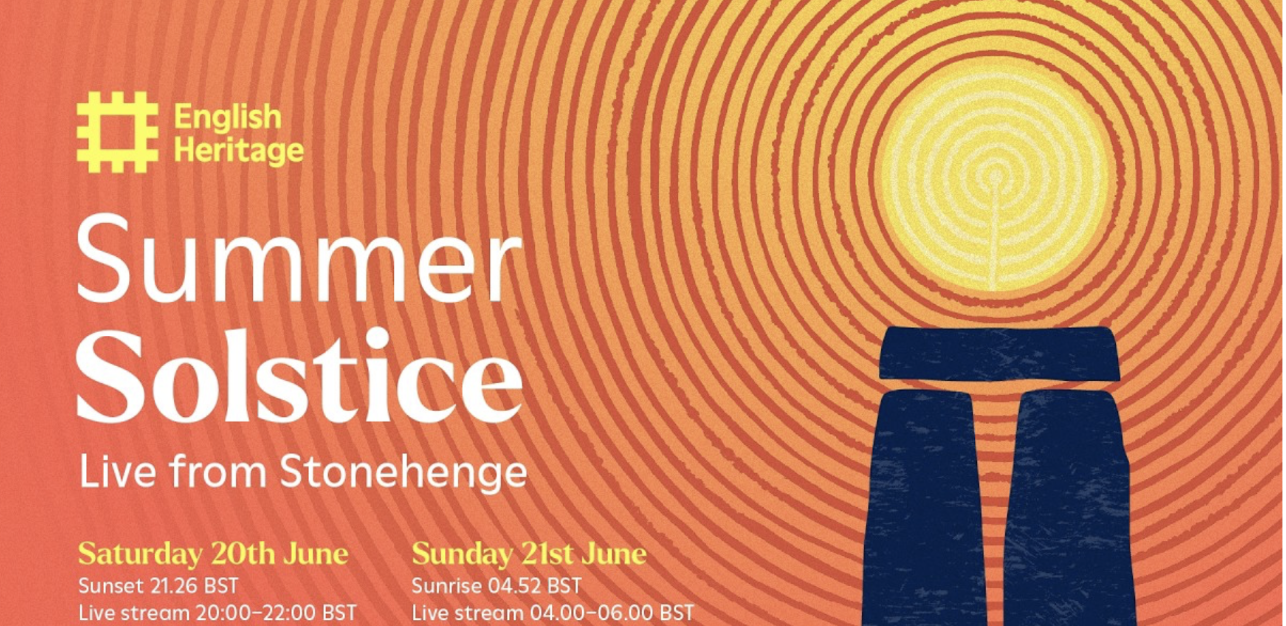
Currently, British Summer Time (BST) is five hours ahead of the time in the U.S., now on Eastern Daylight Time (EDT).
I watched the Solstice sunset occur on Saturday afternoon at 4:26 pm Eastern Daylight Time (EDT), which was 9:20 pm British Summer Time (BST).
Then I stayed up well into my Saturday evening to return (virtually) to those mysterious stones to witness the exciting Solstice sunrise, which occurred at 11:52 pm EDT (4:52 am BST).
The sunrise was continually streamed by English Heritage until 1:00 am EDT (6:00 am BST).
So, without further ado…
The first group of photos is of the sunset: the second group, with the video, is of the sunrise.
Both moments, sunset and sunrise, were very special, although seeing the sunrise on Solstice morning was, of course, quite a thrill!!
Here we go. Enjoy!
SUNSET - June 20
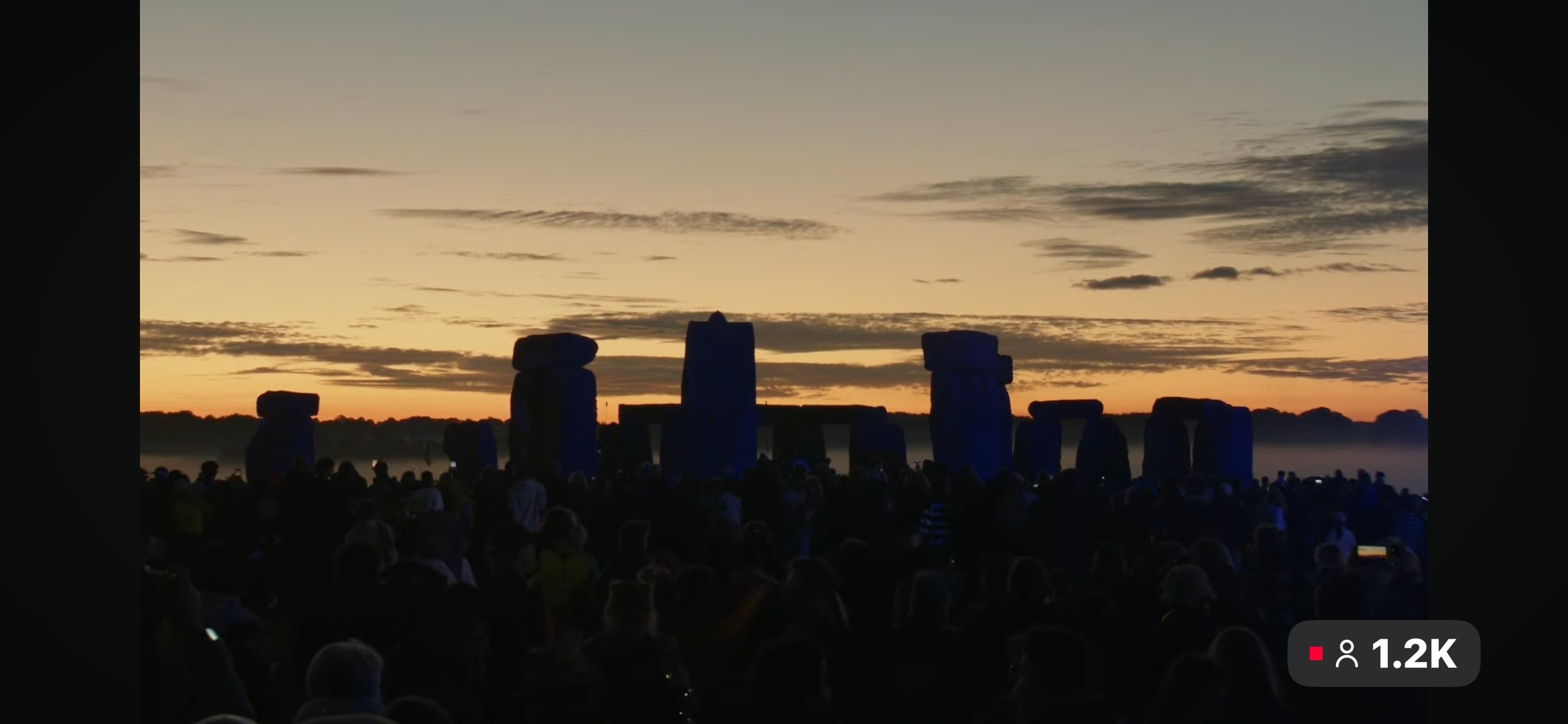
SUMMER SOLSTICE
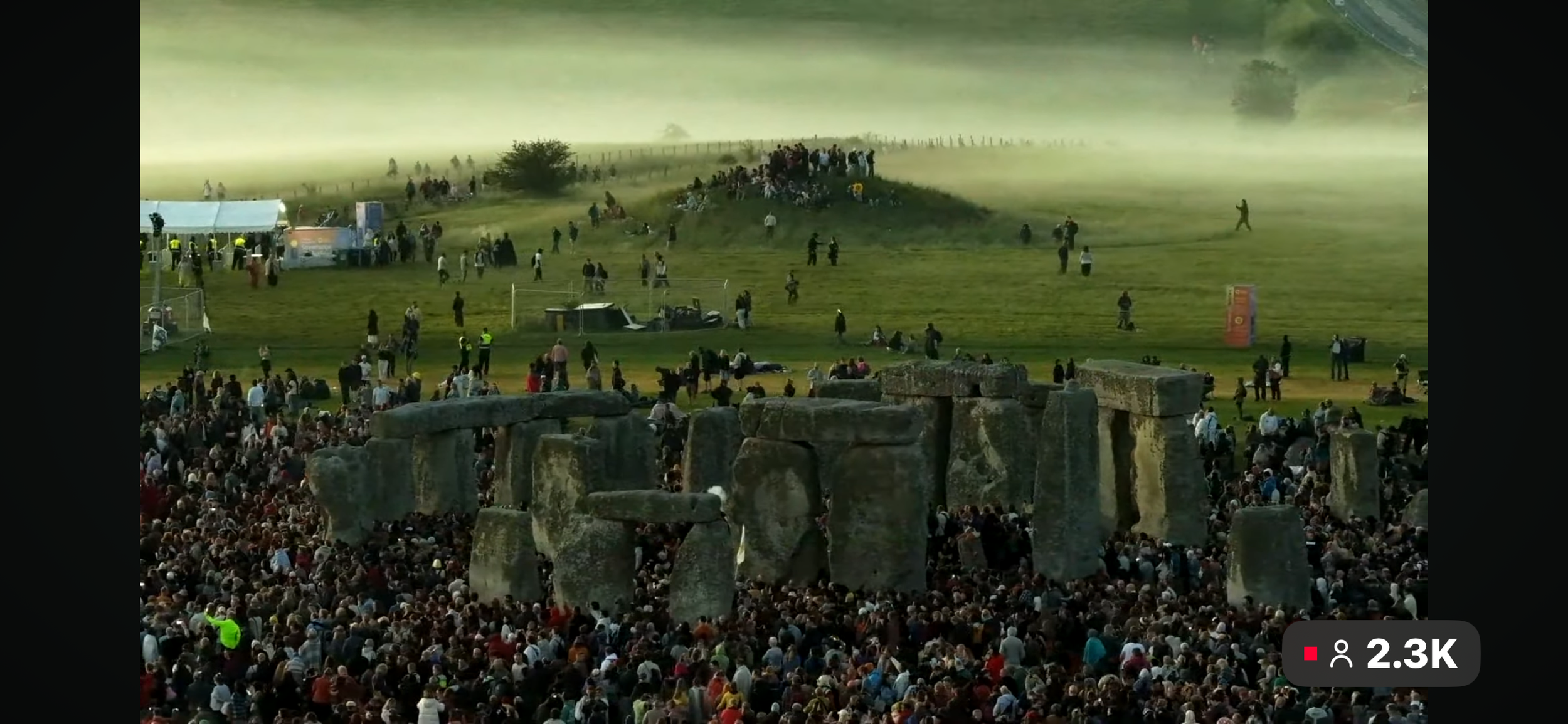
SUNRISE - June 21
Waiting
Anticipation
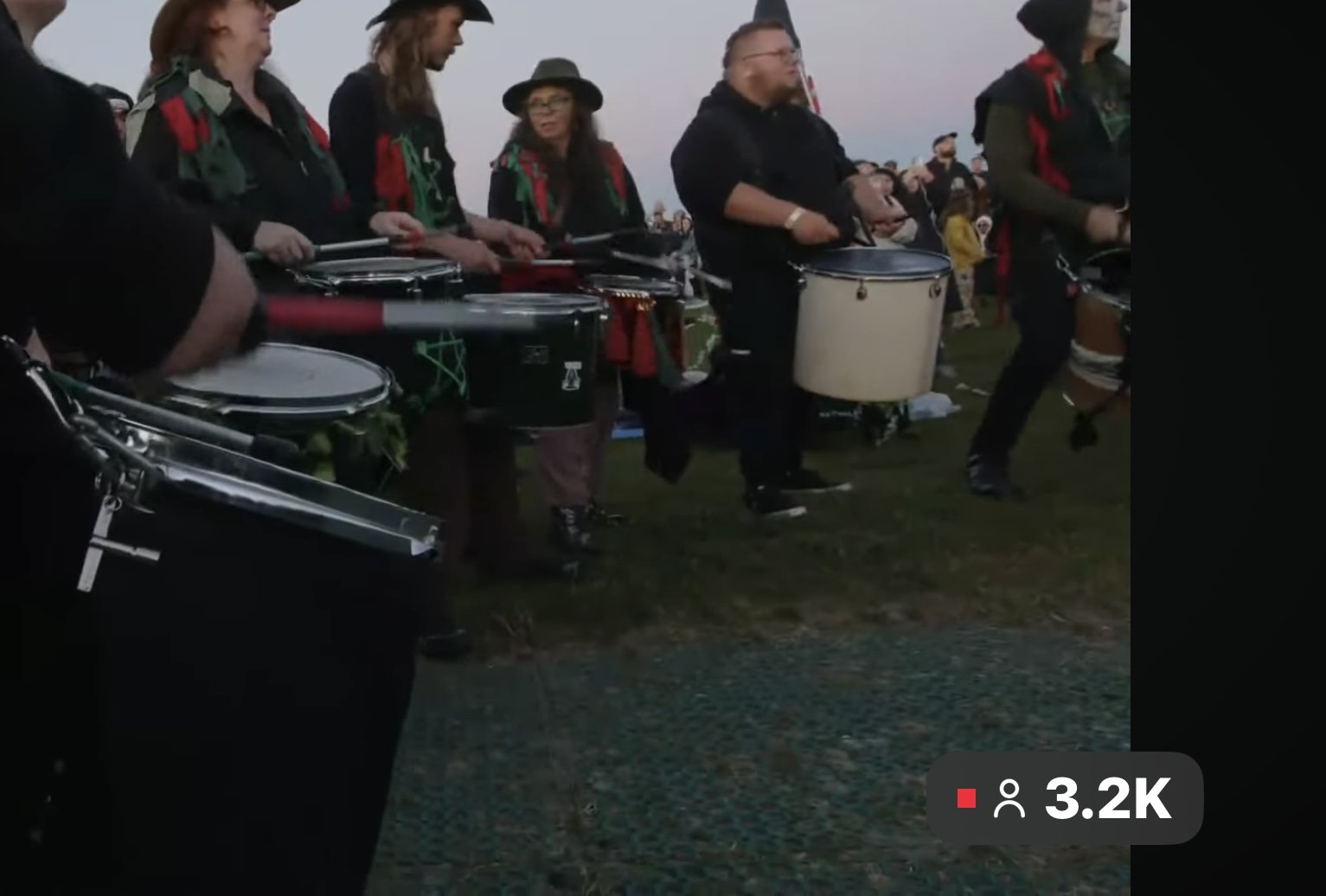
The first glimpse
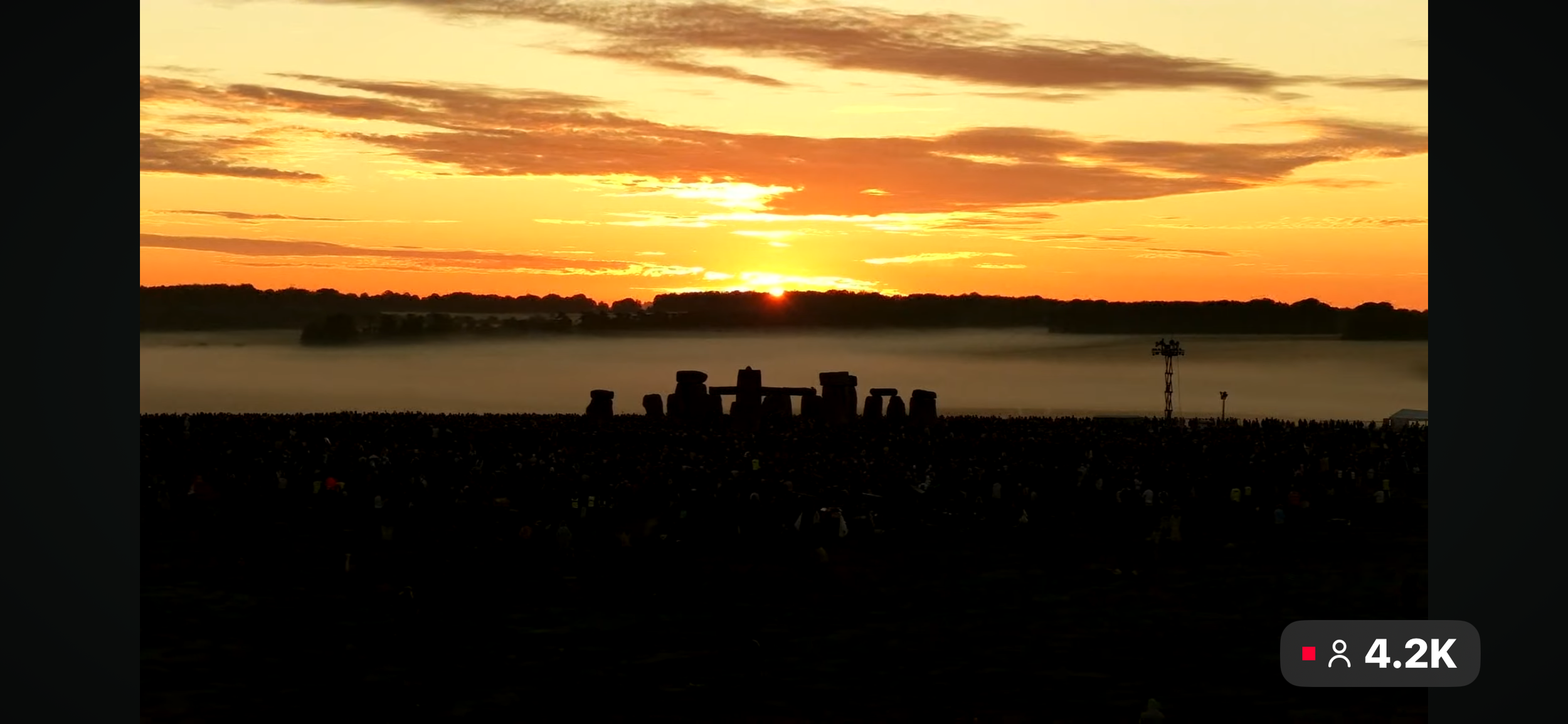
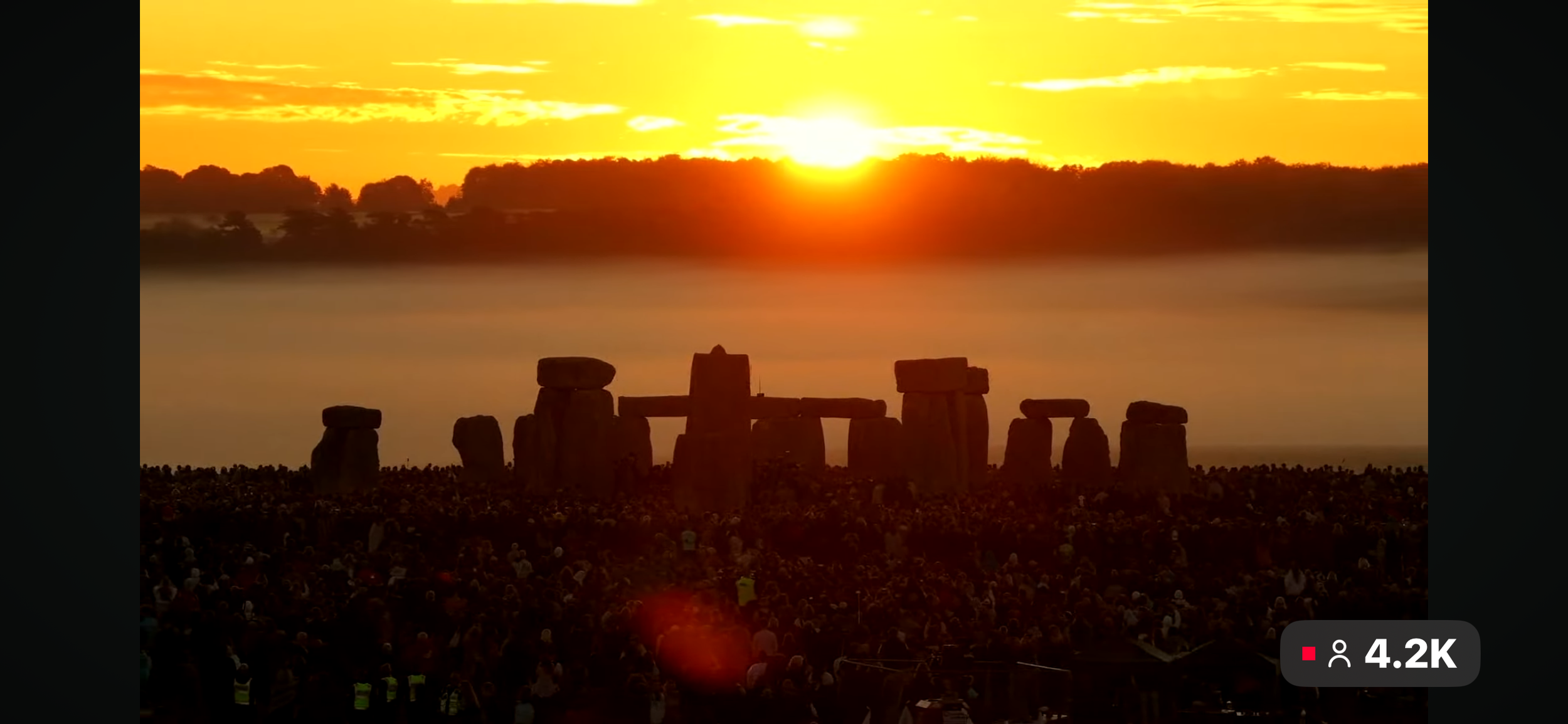
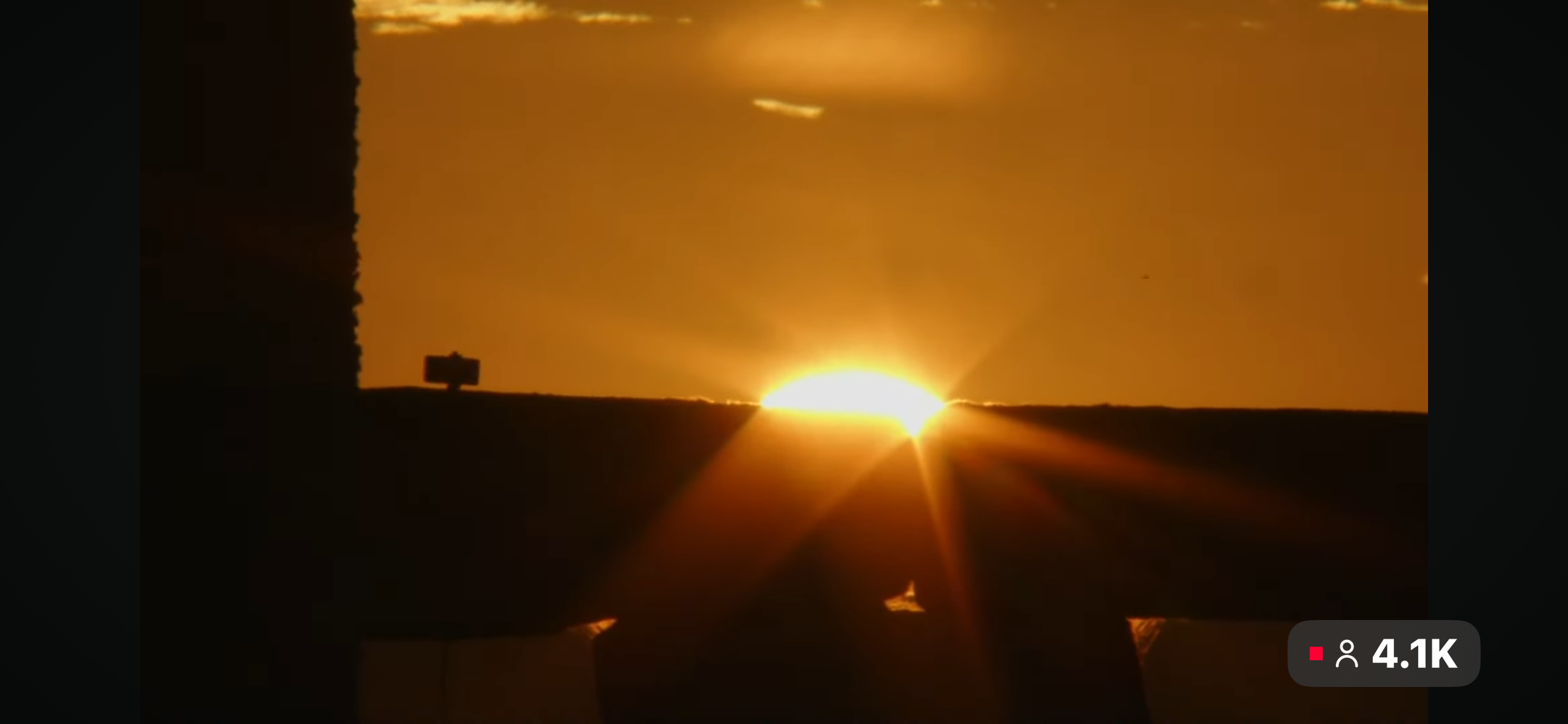
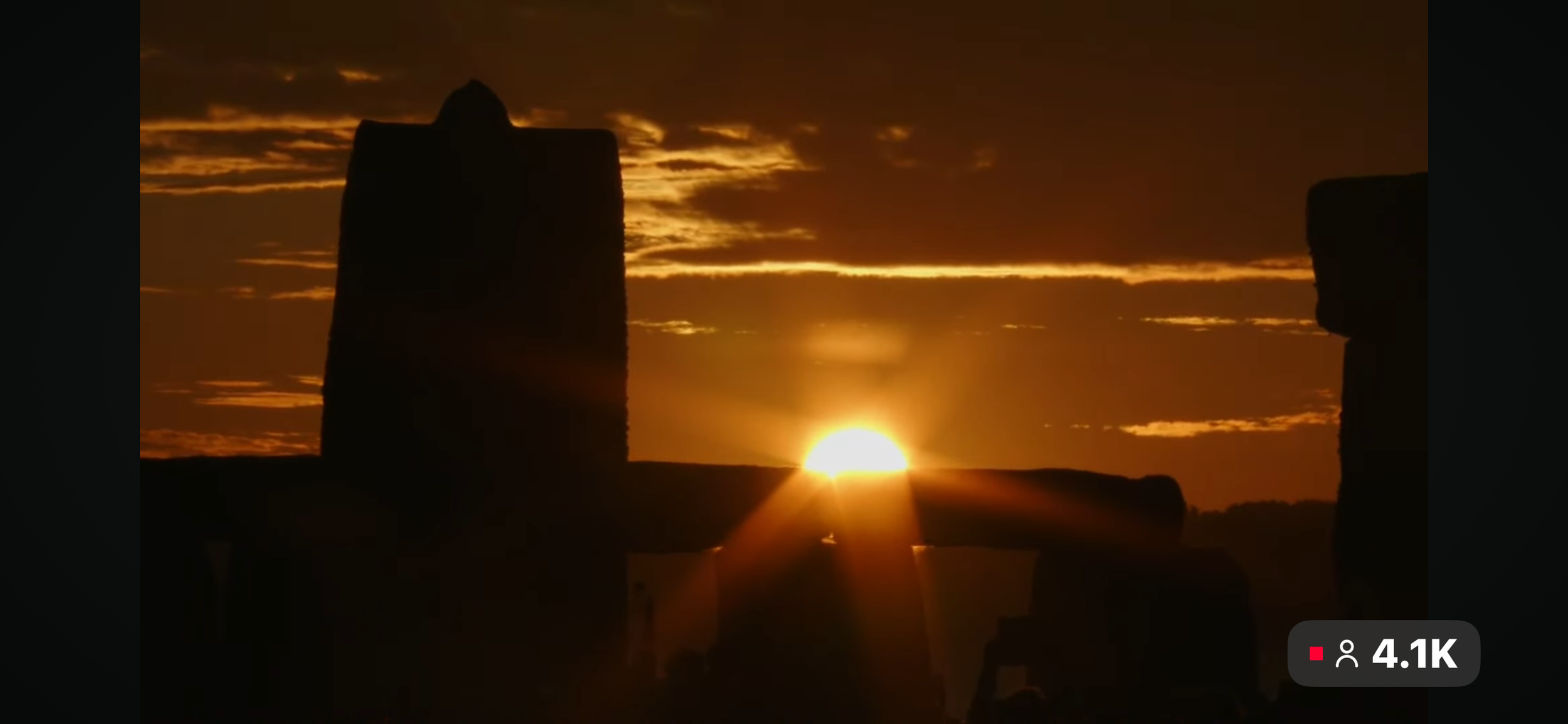
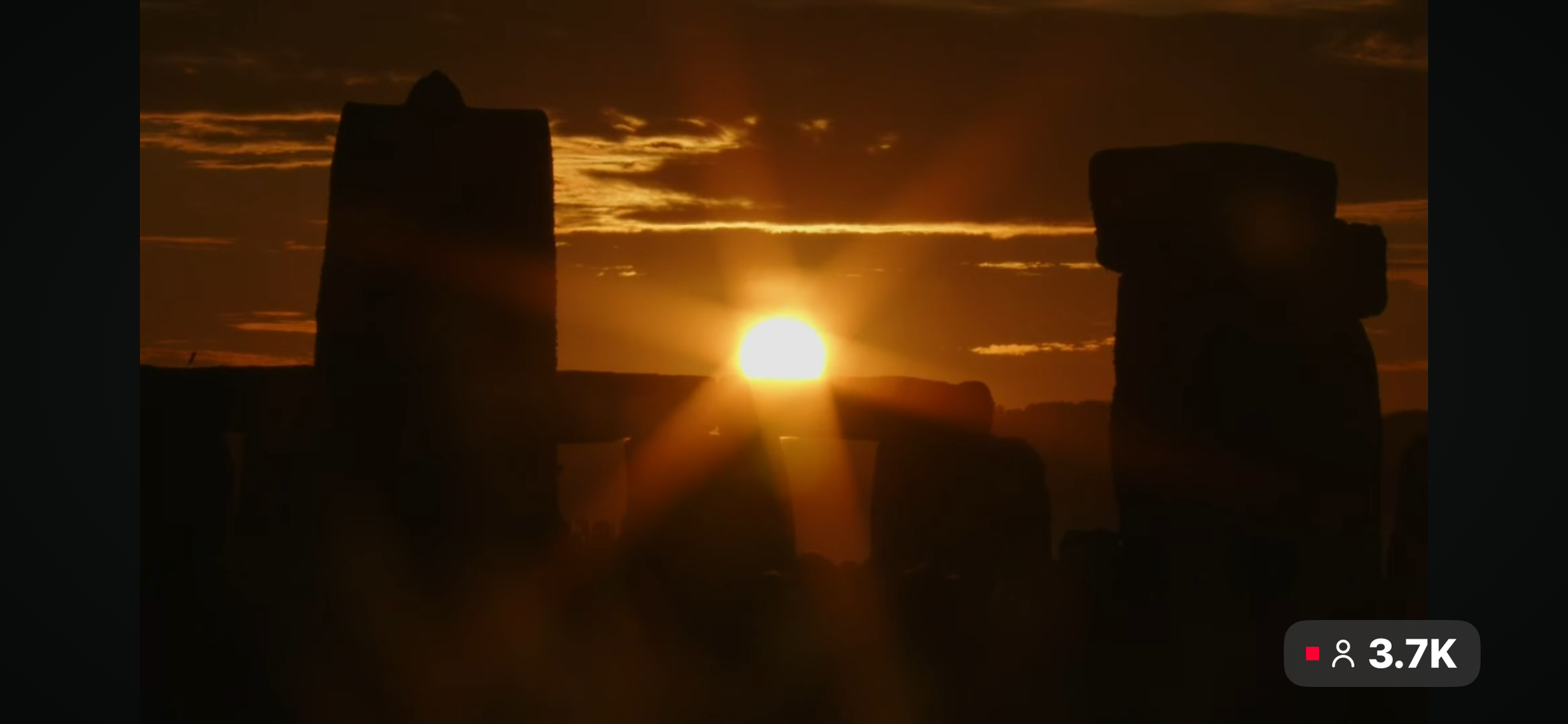
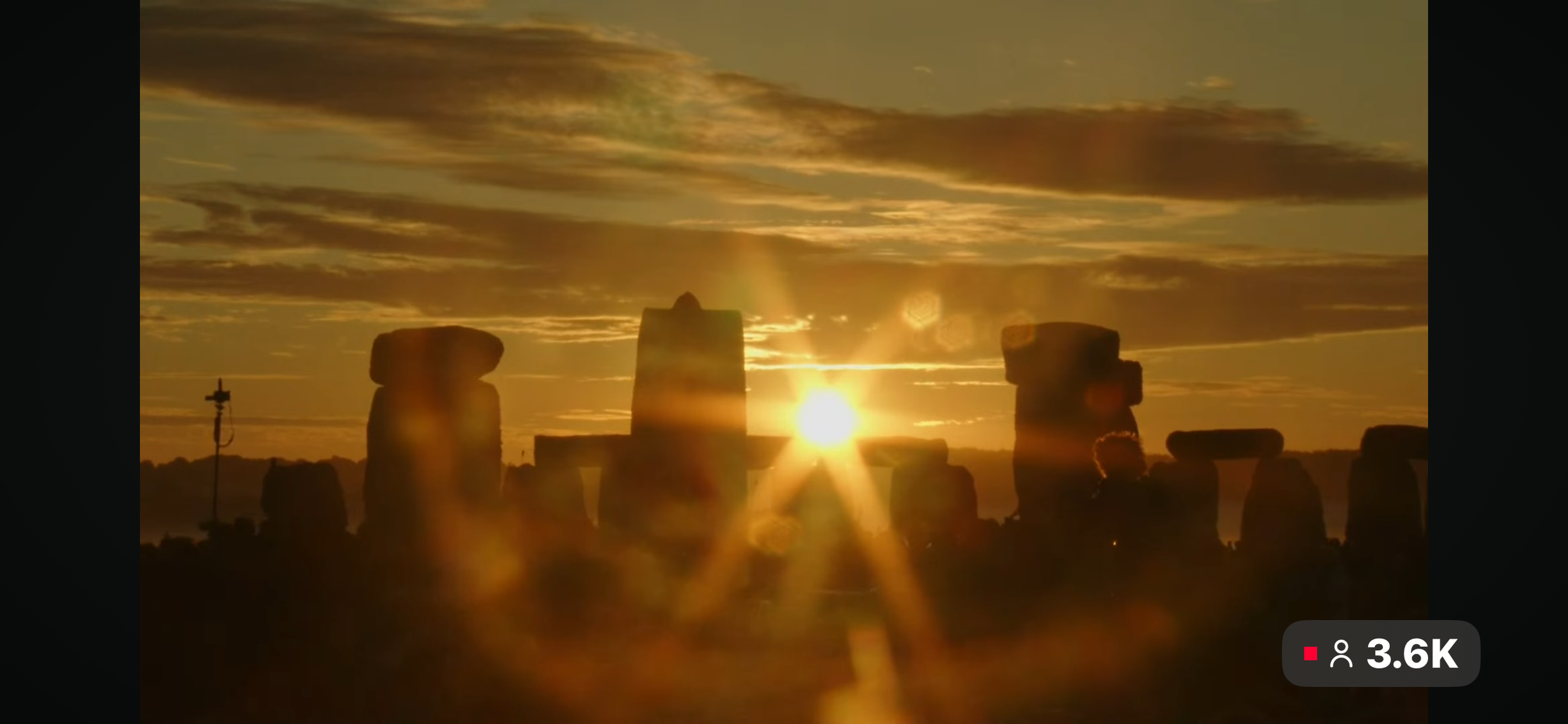
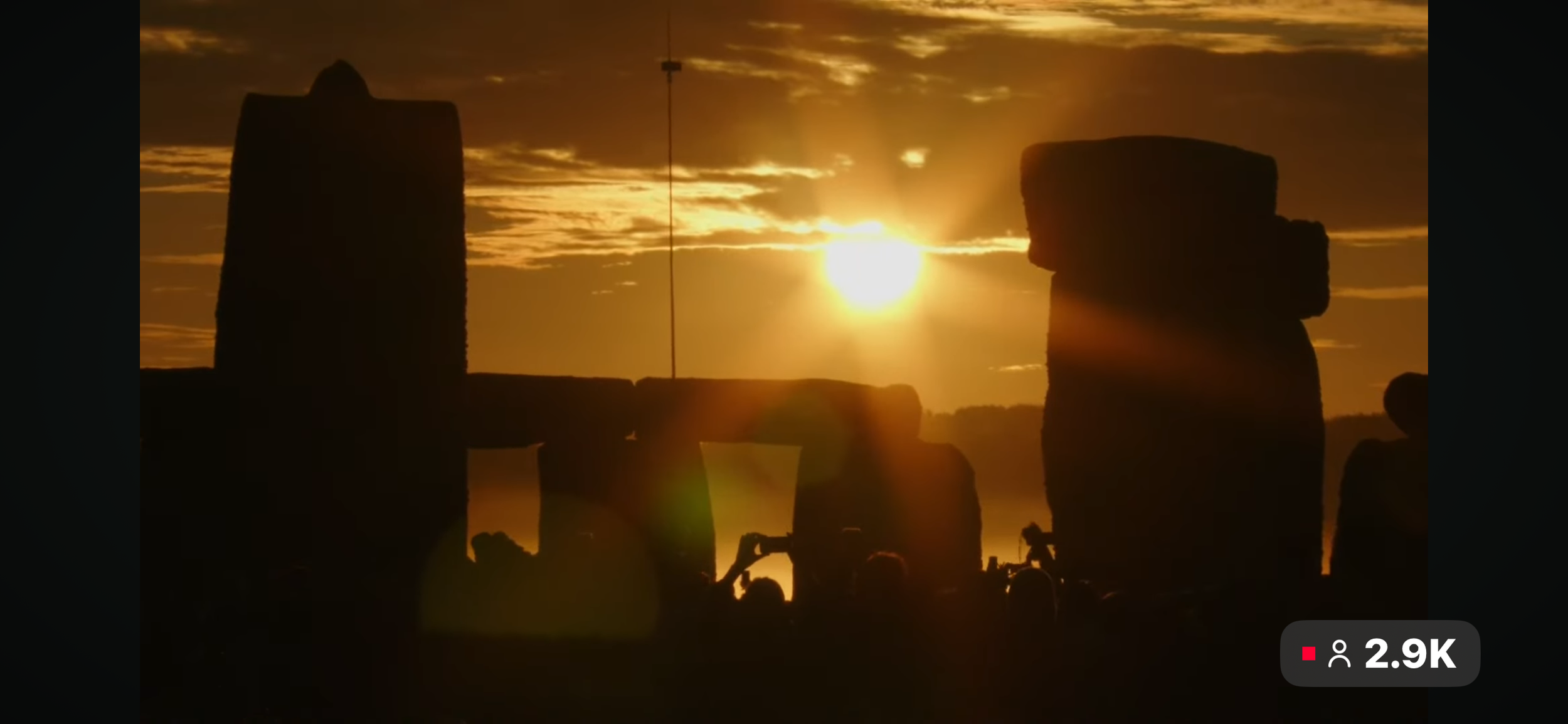
Short. lovely 2:14-minute video.
I hope you have enjoyed this short excursion!